
Quick answer: it depends on whose device it is more than where you’re sitting. Being off the office Wi-Fi doesn’t hide anything on a work laptop, and being on the office Wi-Fi doesn’t expose much on a personal phone. Answer two or three questions for your exact setup:
Or see every combination at once:
| Your setup | Can your employer see the sites you visit? |
|---|---|
| Work laptop, office Wi-Fi | Yes. Network logs plus whatever software is installed on the laptop. |
| Work laptop, home Wi-Fi | Usually yes. Monitoring software and company VPNs report from wherever the laptop is. “Not on their network” doesn’t matter. |
| Personal phone or laptop on work Wi-Fi | Partly. They can see which sites you connect to (reddit.com), but not the pages or what you searched. |
| Personal phone with Outlook, Teams, or Company Portal installed | Mostly no. Those apps manage work data, not your personal browsing. Links you open inside work apps are the exception. |
| Personal device on home Wi-Fi or cell data, no work apps | No. |
| Any of the above, in incognito | No change. Incognito only stops your own browser from saving history. |
The rest of this page covers the edge cases, and how to check what’s actually installed on your devices.
Can my employer see my browsing history at home?
On a work laptop, assume yes.
Most monitoring doesn’t happen on the network anymore. It happens on the device. Security software like Zscaler routes your web traffic through the company’s servers whether you’re at your desk or on your couch, and endpoint agents keep a log of what you run and where you go. Clearing your history doesn’t touch any of it, because none of it lives in your browser.
On your own computer on your own Wi-Fi, no. Your employer has no way to see the traffic unless you’ve installed something of theirs, or you’re connected to the company VPN.
The move to remote work hasn’t made people less monitored. It’s just moved the monitoring onto the laptop. Keystroke tracking has been used to justify firings in some high-profile cases.
Can my employer see what I search on my personal phone?
Not unless something connects the phone to them. There are three ways that happens:
- You’re on the work Wi-Fi. The network can see the domains your phone connects to, like google.com or indeed.com. It can’t see the actual searches or pages, because almost every site is encrypted.
- You’re signed into a work account. Searches made in Chrome while signed into your work Google account get saved to that account’s activity, not your personal one.
- You’ve enrolled the phone in device management. More on this below. On a personal phone, enrollment usually covers work apps only.
On cell data with no work account signed in, your employer sees nothing.
Does incognito or a VPN hide my browsing from my employer?
Incognito: no. Incognito stops your browser from saving history on that device. The network, the company proxy, and any monitoring software on a work laptop still see everything they saw before.
A personal VPN: only from the network. On your personal phone on the office Wi-Fi, a VPN hides which sites you visit from the company network. On a work laptop it doesn’t help, because the monitoring software sits on the laptop and sees traffic before the VPN does. Installing a VPN on a work laptop is also a good way to get a call from IT.
How to tell what's monitoring you
Most people find this page after spotting an app or a “managed by your organization” message they don’t recognize. Here’s what the common ones are.
First, check what’s installed:
- iPhone: Settings → General → VPN & Device Management. If a work profile is listed, tap it to see what it controls.
- Android: a separate “Work” tab in your app drawer means a work profile. IT can see inside that profile, not outside it.
- Mac: System Settings → General → Device Management.
- Windows: Settings → Accounts → Access work or school.
- Chrome: type
chrome://managementin the address bar. It lists what your organization controls and which extensions it installed.
Then look up what you found:
| Software | What it is | Can it see your browsing? |
|---|---|---|
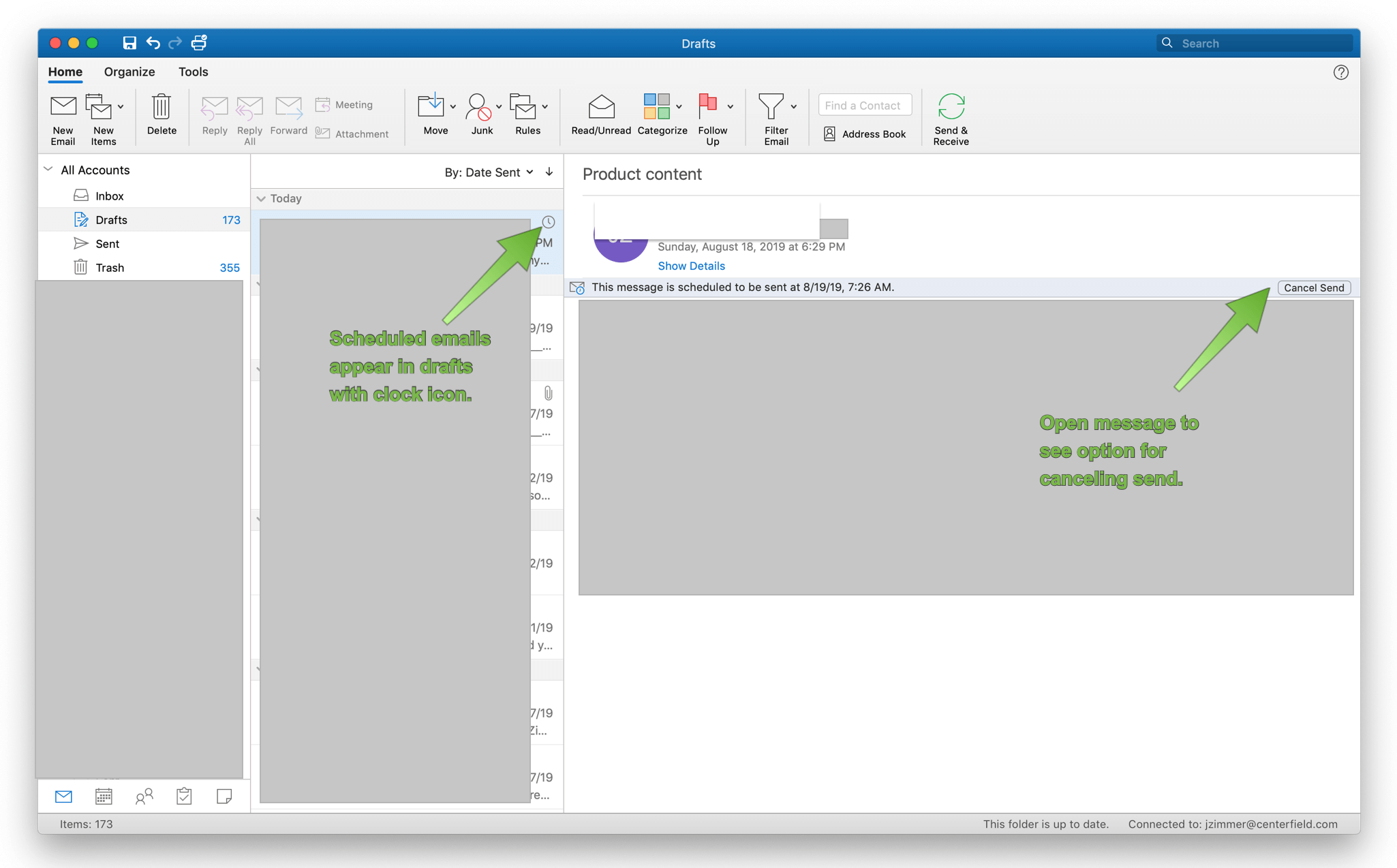
| Microsoft Intune / Company Portal | Device management | On a personal phone, no. Microsoft states that IT can’t see browsing history, photos, or texts on personal devices. On a company laptop, it can install other tools that can. |
| Okta Verify | Login approvals (two-factor) | No. It confirms it’s you, and may check that your device is up to date. |
| Zscaler | Web security proxy | Yes, on the device it’s installed on. All web traffic passes through it, at home or in the office. |
| Lakeside SysTrack (lsiagent.exe) | IT performance monitoring | It logs app usage and performance, and can be set up to log sites visited. |
| Nexthink | IT performance monitoring | It records which apps and web apps you use. Often installed with a browser extension. |
| SOTI MobiControl | Device management, mostly for company-owned phones | On company phones it can filter websites and track location. |
| Vanta | Security compliance agent | No. It checks things like disk encryption and screen lock. |
| “Managed by your organization” in Chrome | Chrome policies set by IT | It depends on which extensions IT pushed. If it’s your personal laptop, use a separate Chrome profile for work. |
If a work tool is on a device you own and you’re not sure what it collects, ask IT for the monitoring policy. Some US states, including New York, Connecticut, and Delaware, require employers to give written notice of electronic monitoring.
Job hunting on your work laptop?
A lot of people asking this question are really asking “can they see that I’m applying for jobs?”
On a work laptop, assume yes. Your employer can see that you visited Indeed or LinkedIn. They can’t see your Indeed account itself. But “employee spends lunch on job boards” is not a log entry you want IT reviewing.
The fix is simple: do your job search on your own phone or laptop, on your own internet. If you work in marketing, our list of remote marketing manager jobs paying $100K+ is refreshed weekly and is a decent place to start.
Is it legal for my employer to monitor me?
In the US, monitoring company-owned devices and networks is broadly legal. Your employer owns the laptop and the network, and most employment agreements or IT policies say so.
Personal devices are different. Your employer generally can’t monitor your personal phone or computer unless you agree to it. Enrolling a phone in device management or installing a work app counts as agreeing to whatever that tool’s policy covers, so read what you’re accepting. (We’re not lawyers, and the rules are stricter in the EU and UK.)
Can my boss read my email, texts, or Slack?
Work email: yes. Messages on a company email account belong to the company. Some employers archive copies of everything sent and received.
Texts: on a company-issued phone, possibly. On your personal phone, no.
Slack and Teams: yes, including DMs. Depending on the plan and settings, admins can export private messages, so treat DMs to coworkers like email.
Passwords: passwords saved in a browser on a work device can be exposed to anyone with admin access to it. Keep personal logins off work machines.
Can my employer control my computer remotely?
Only with software installed for it. Remote support tools are standard on work laptops. On your personal computer, your employer can’t control it unless you install something they gave you.
A related trap is that work you produce on a company laptop can give the company a claim to it. If you’re building something on the side, don’t use work devices or Wi-Fi to build your side business while employed.
The only safe setup: two devices
Treat anything on a work laptop, work account, or work network as visible. Keep personal browsing, job hunting, and side projects on a device and a connection that are yours. That’s the only setup where the answer is a clean “no.”
Frequently Asked Questions
What Information Should I Avoid Storing On My Work Computer?
Everyone knows you should never store inappropriate materials, like adult images or off-color humor. But a bigger rule of thumb is simply not to store any personal information. Avoid storing personal information such as passwords, job applications, bank logins, or private data on your work computer. Keeping your personal and work web browsing separate is the simplest way to avoid issues.
Why Do Employers Monitor Their Employees?
Employers typically monitor their employees’ computer activity to prevent theft, ensure proper representation of the company online, and confirm productive use of time.
How Can I Protect Myself From Repercussions Connected To Online Activities At Work?
The simplest and best way to protect yourself from repercussions (either legal or relating to your employment status) is to assume all your online activity is being monitored. Assume all your online activity at work is monitored, and err on the side of professionalism in all your online communications and activities.
 Is It True That 90% of Startups Fail?