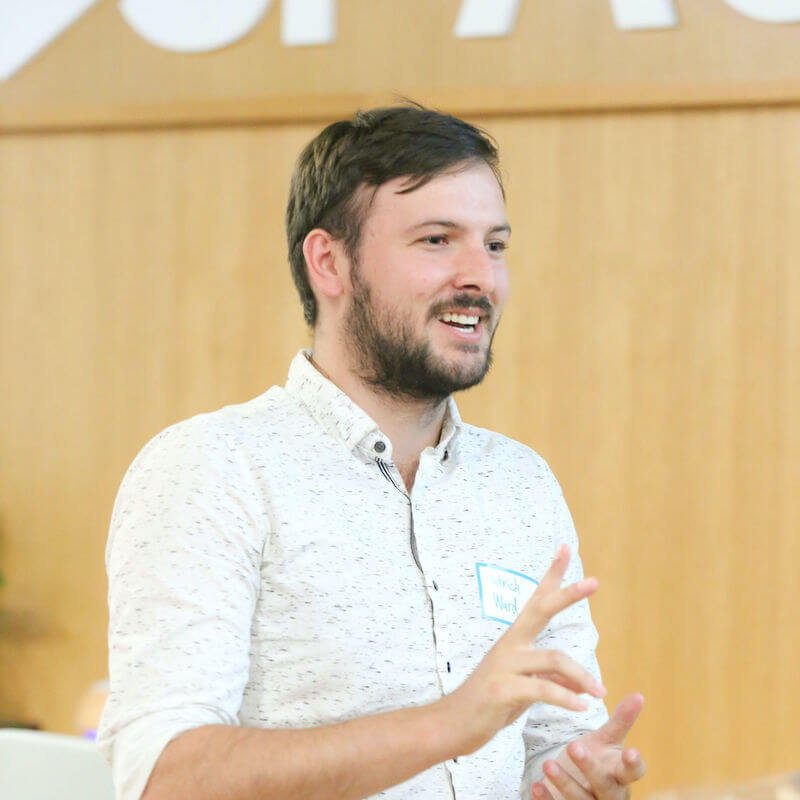
The best productized service websites look more like stores than agency sites: pricing on the homepage, “subscribe now” instead of “let’s chat,” money-back guarantees before you scroll.
We reviewed dozens of productized service sites across design, bookkeeping, content, video, and PR. These 11 treat the website like a checkout page, not a brochure.
DesignJoy
One-person design subscription at $5,995/mo
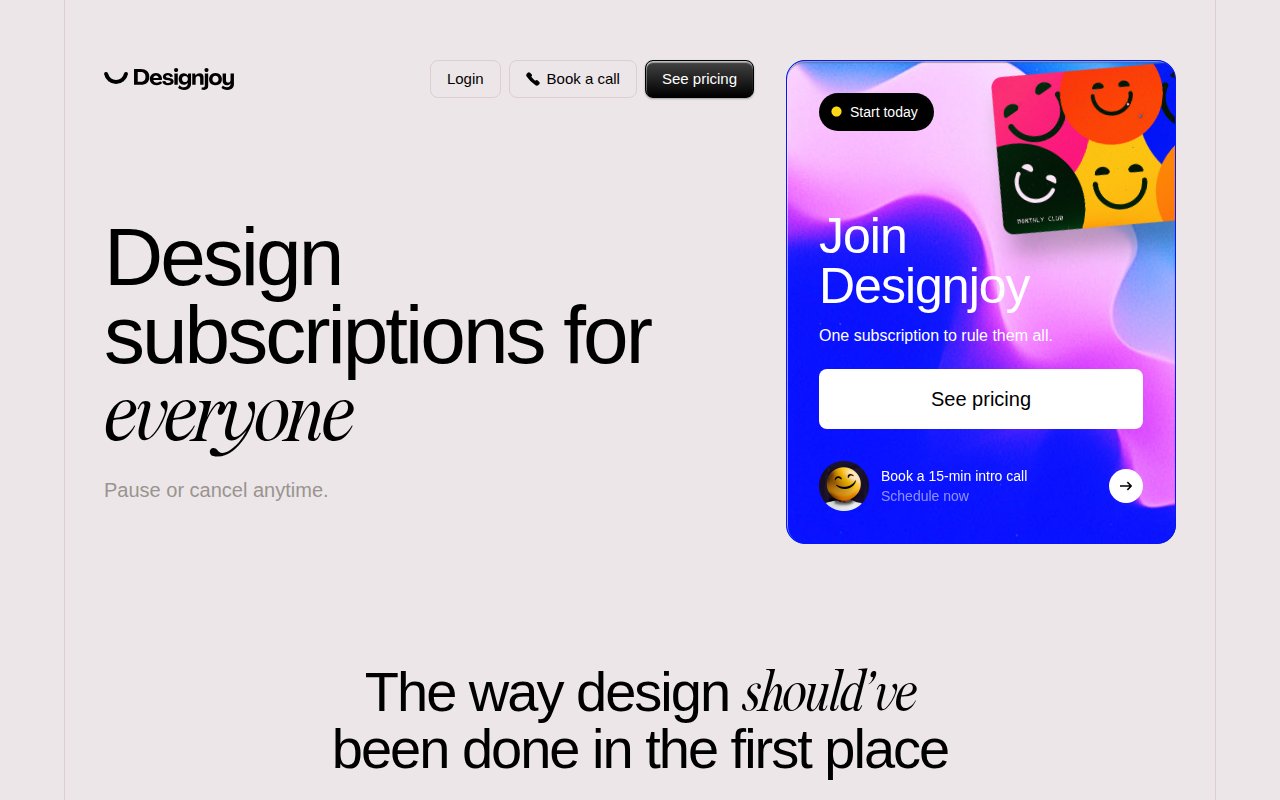
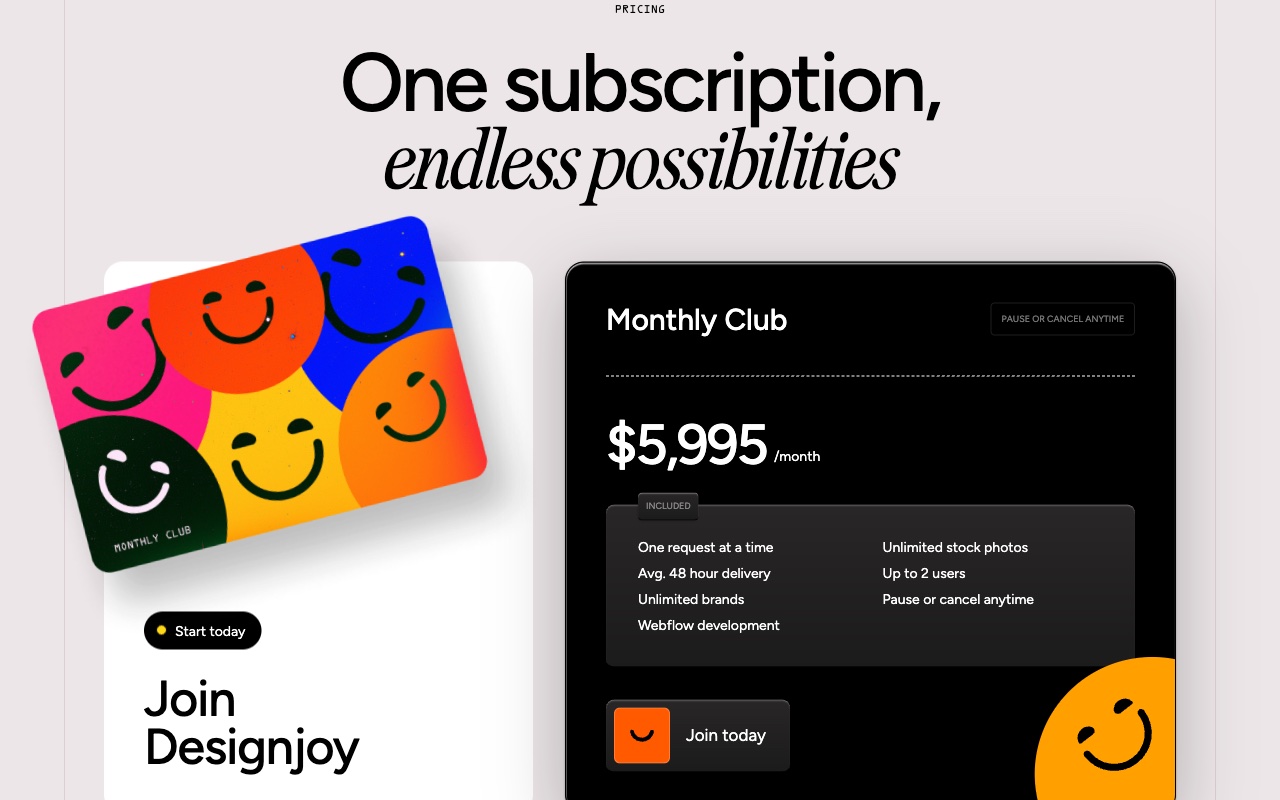
DesignJoy is a one-person operation charging $5,995/mo for unlimited design. The founder’s name and face are everywhere because at this price point, you’re hiring a specific person, not “a design service.” The site reflects that: minimalist, distinctive, no template feel.
The social proof is stronger than you’d expect from a solo operation: celebrity endorsements, industry awards for client work, one tier, one price, a money-back guarantee, and no sales calls required.
The gap is SEO depth. The site is essentially single-page. For a business built on word-of-mouth and social media, that works. For someone trying to replicate this model, search-driven growth requires more pages.
Bench
Software plus human bookkeeping at scale
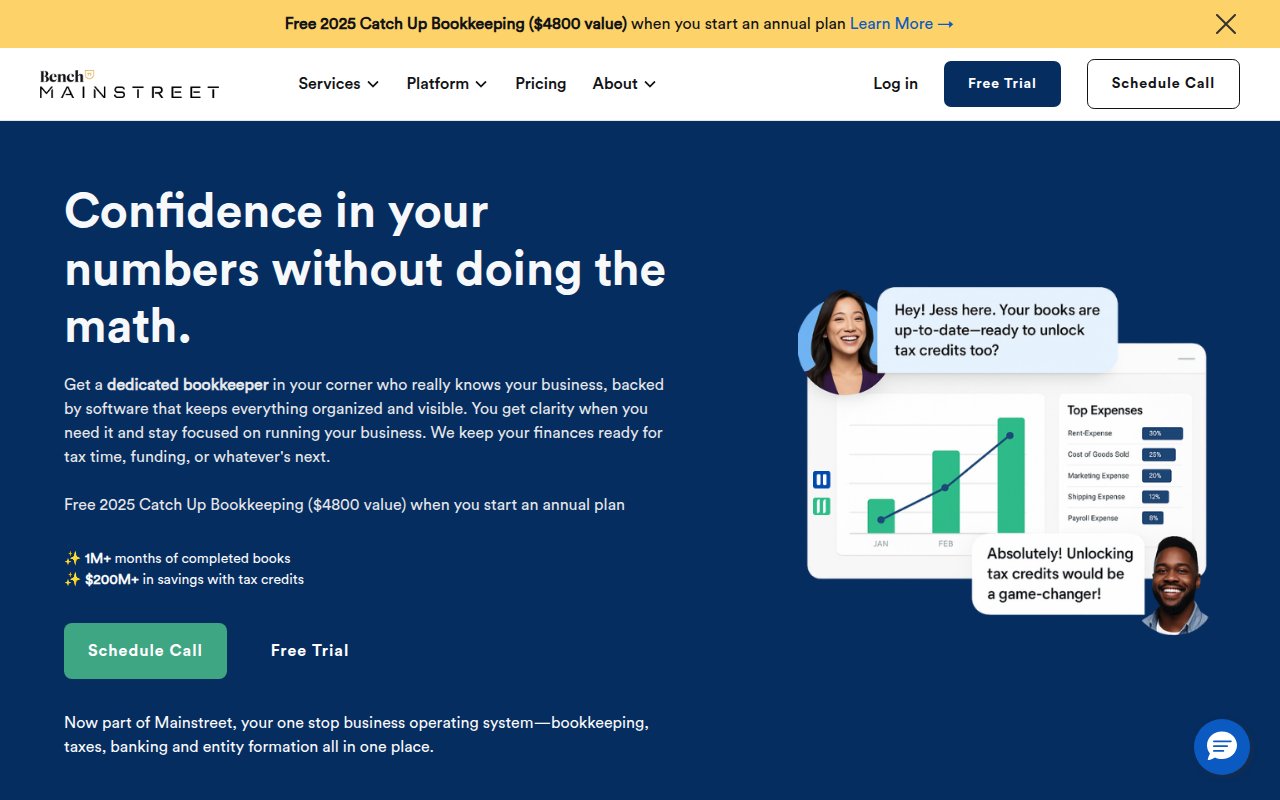
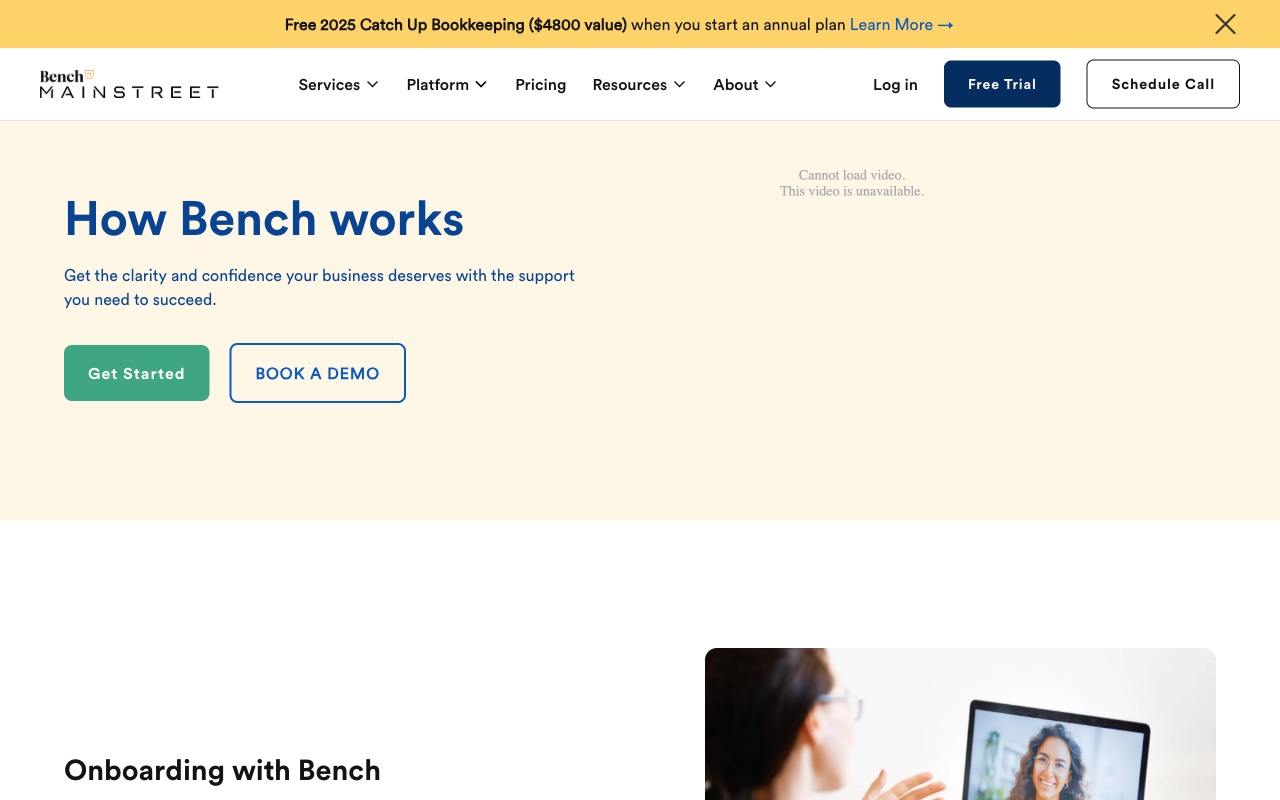
Bench has scaled to tens of thousands of customers with a message that productized services struggle with: you get a real person backed by real software, not one pretending to be the other.
The homepage gives you different next steps depending on how ready you are to buy, and the testimonials include actual numbers instead of “great service, highly recommend.” Hundreds of blog articles explain the organic traffic. Built on Webflow.
Now part of a larger parent company, the positioning has broadened to include adjacent financial services. More revenue per customer, but the homepage is starting to pitch too many things at once. The focus that built the brand is blurring.
Pilot
Former CFOs as your advisory team
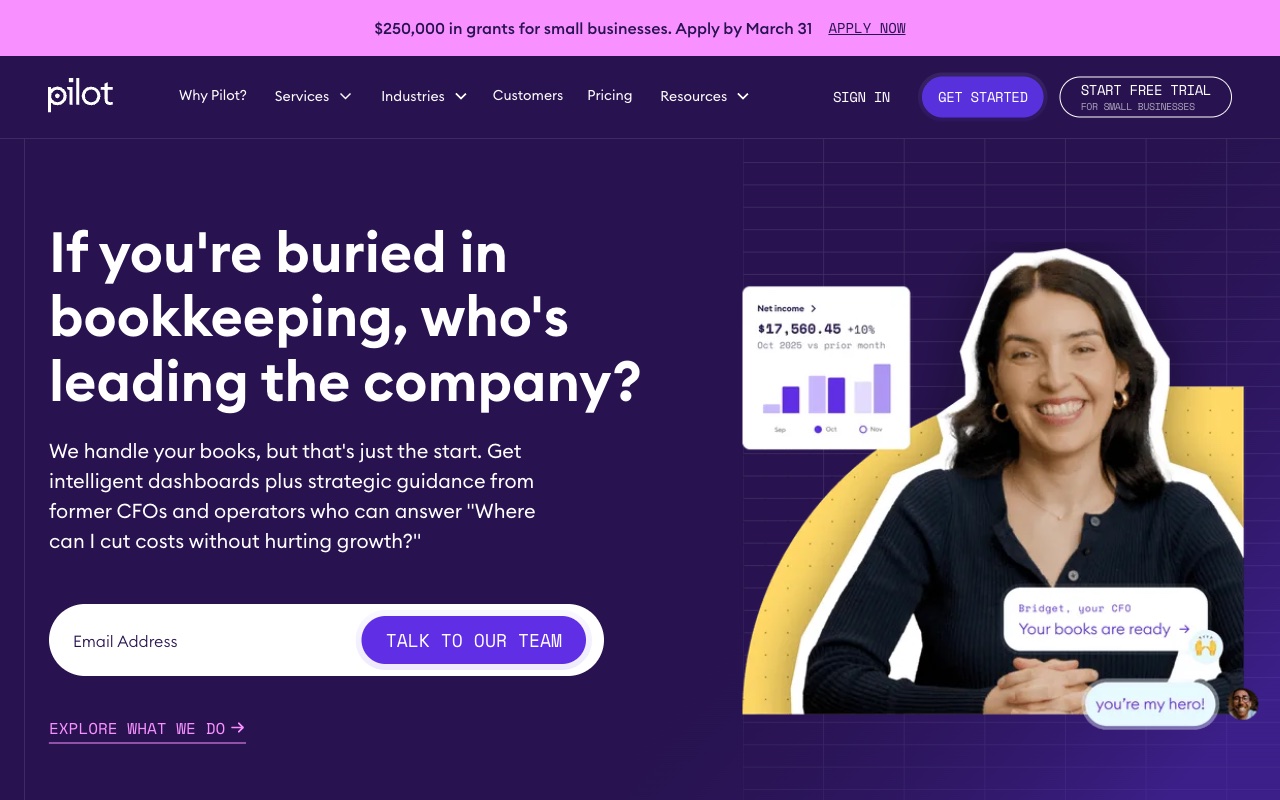
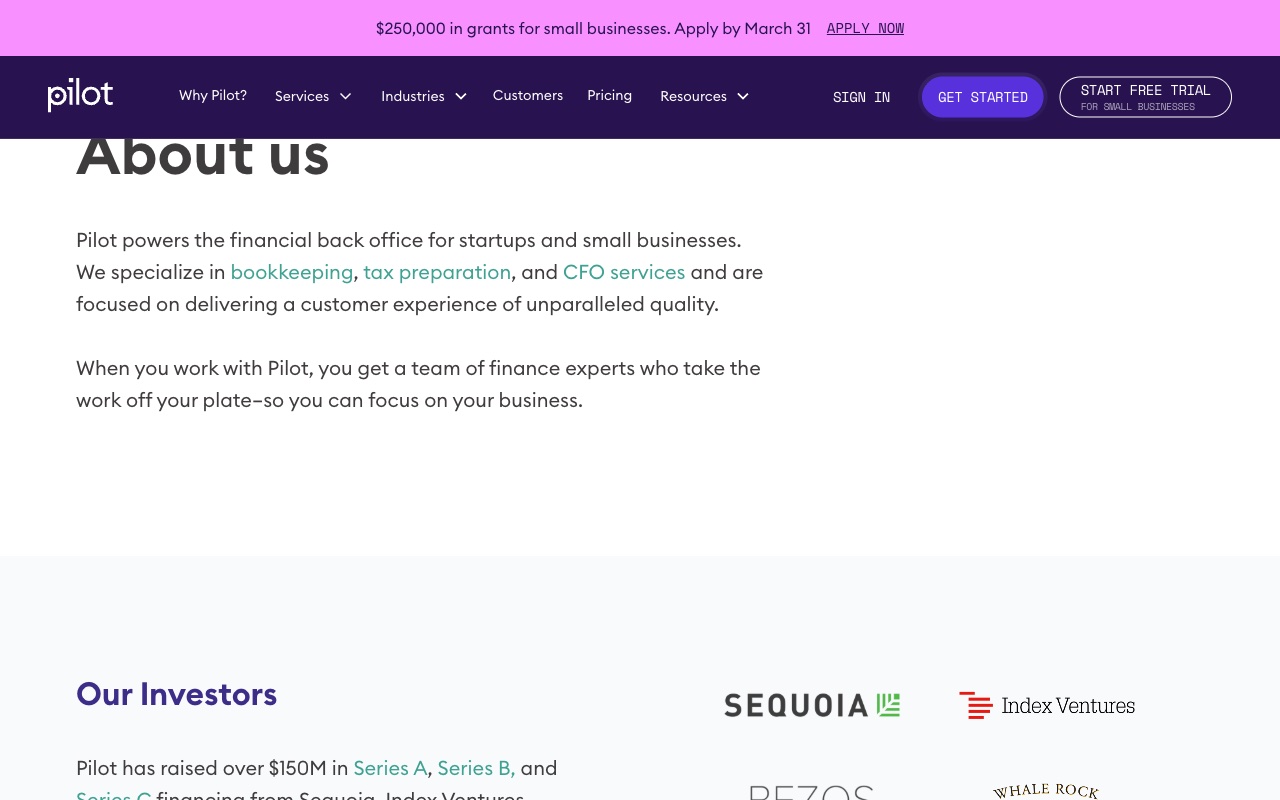
Pilot shows individual advisors with professional backgrounds and personal quotes throughout the site. When you’re trusting someone with your financial operations, knowing who’s on the other end matters.
The human-plus-software messaging is similar to Bench’s, but Pilot differentiates by showing you the actual people.
The site runs on Webflow, and it loads fast enough that you’d assume it was custom-built. Where Pilot lags is social proof volume. The customer count is respectable but modest compared to the category leaders.
Testimonial Hero
2,600+ remote video testimonials produced
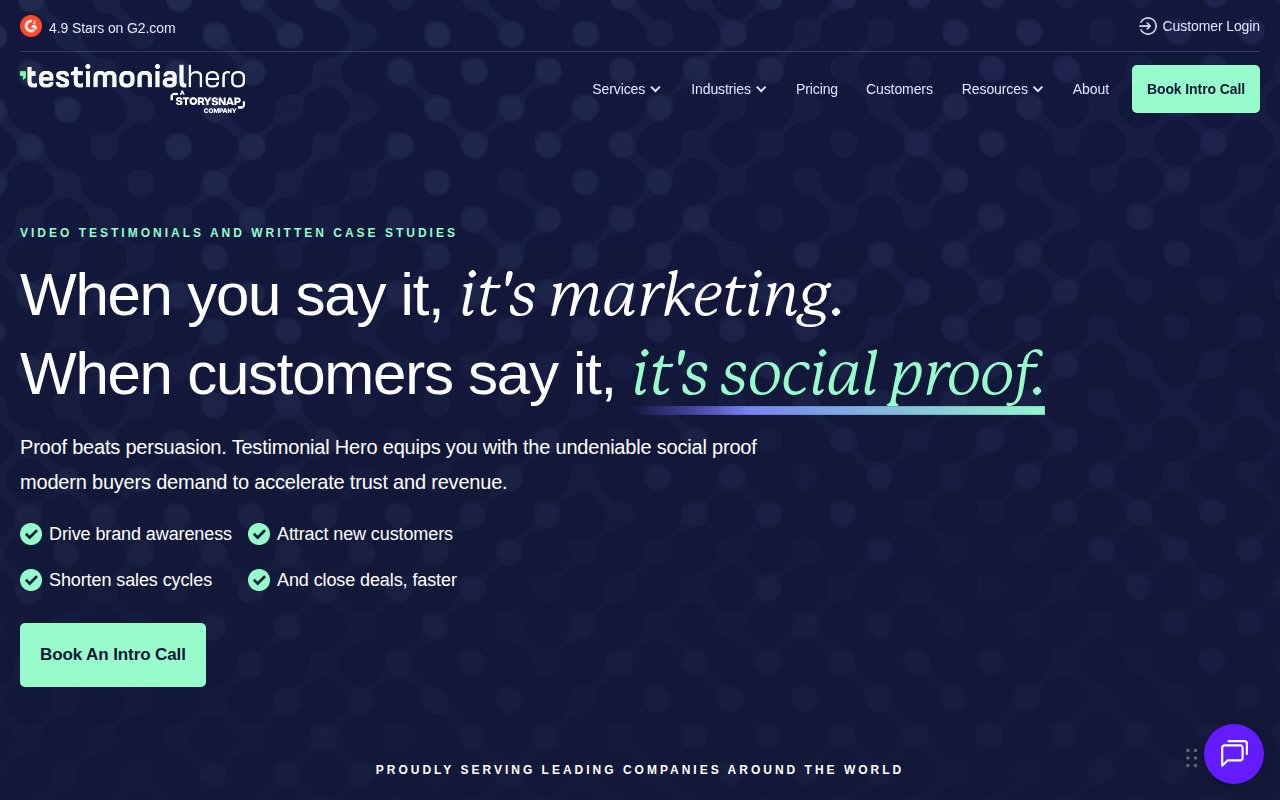
Testimonial Hero uses its own site as a product demo: executive-level client quotes throughout, strong review platform ratings, and a production count that doubles as social proof. If the client testimonials look this good on their site, they’ll probably look good on yours.
The weakness is team visibility. Roles are described in the abstract, but you won’t find individual bios for the people who’d actually produce your video. Odd for a service that’s fundamentally about putting faces on camera.
Lower Street
Award-winning branded podcasts for enterprise
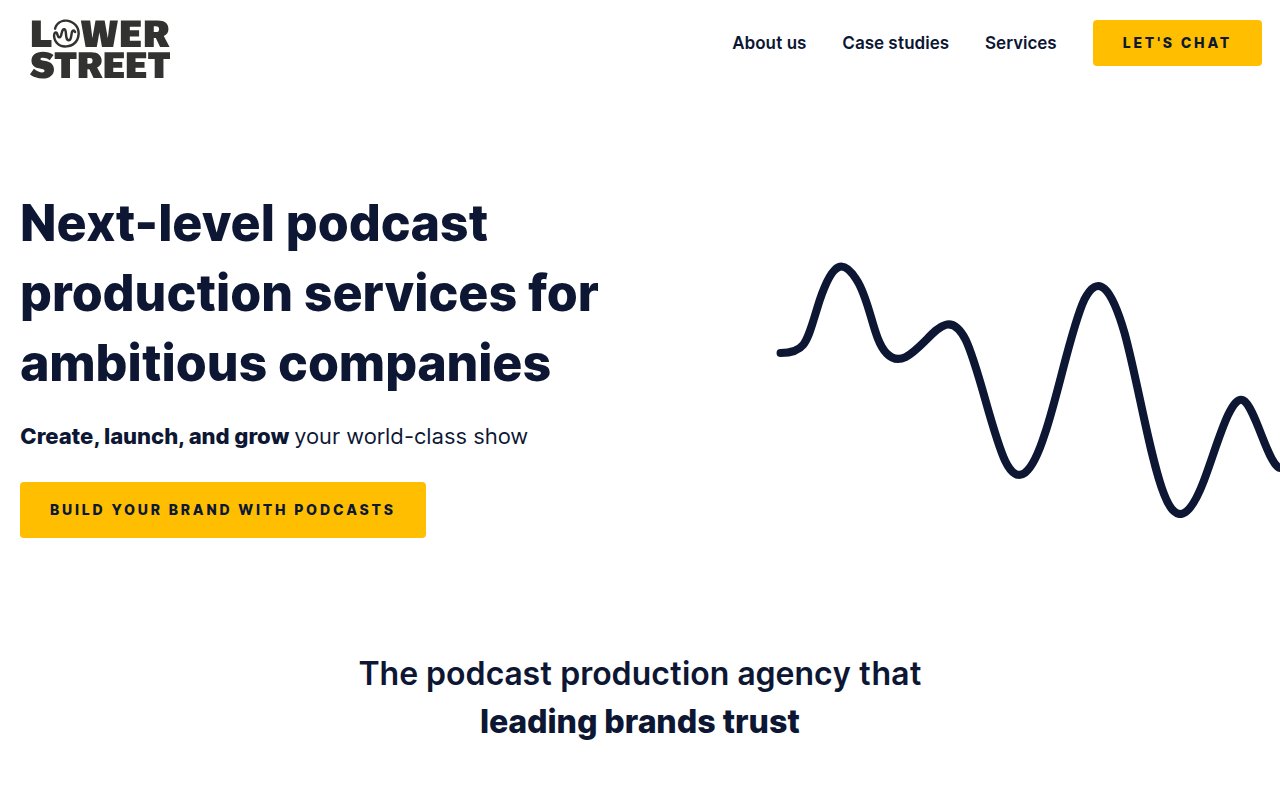
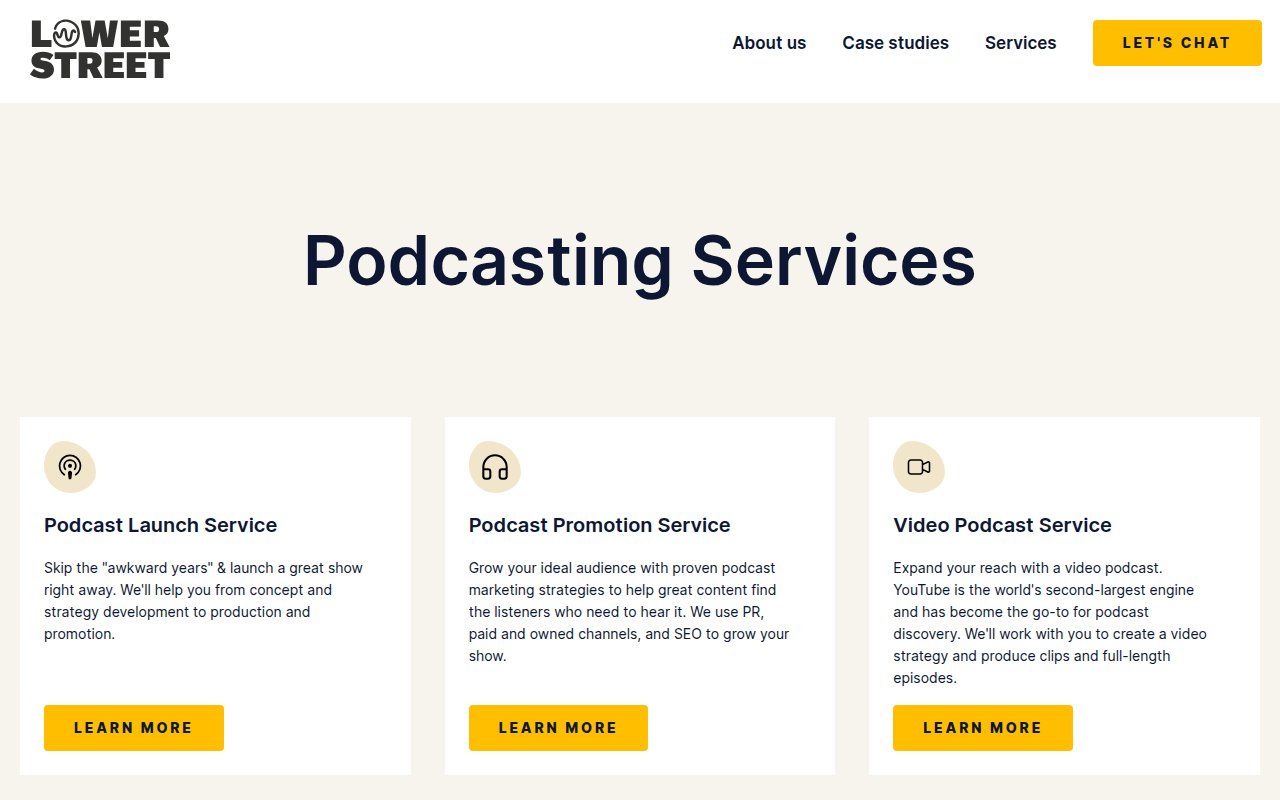
Lower Street doesn’t show pricing, which is the right call for an enterprise podcast production agency with marquee clients. Instead, the site leads with case studies that include the numbers enterprise buyers want: media coverage secured, sponsorship revenue generated, new client revenue attributed to the podcast.
Industry awards sit on the homepage, which helps the marketing director who needs to justify the budget to a VP. “We hired the award winners” is an easy internal sell.
But like most enterprise-positioned productized services, the team page is thin. You’re buying the brand and the track record, not a relationship with a specific producer.
MobiLoud
Website-to-app with free preview
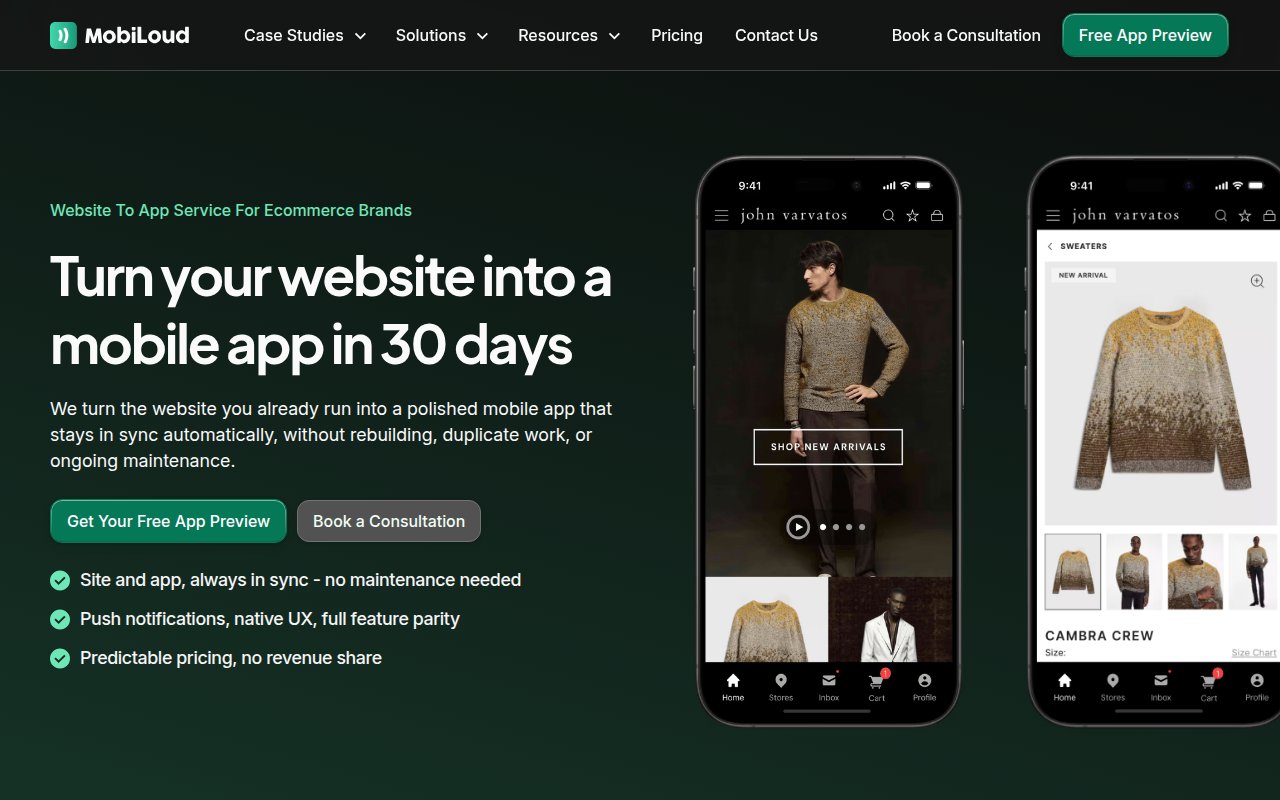
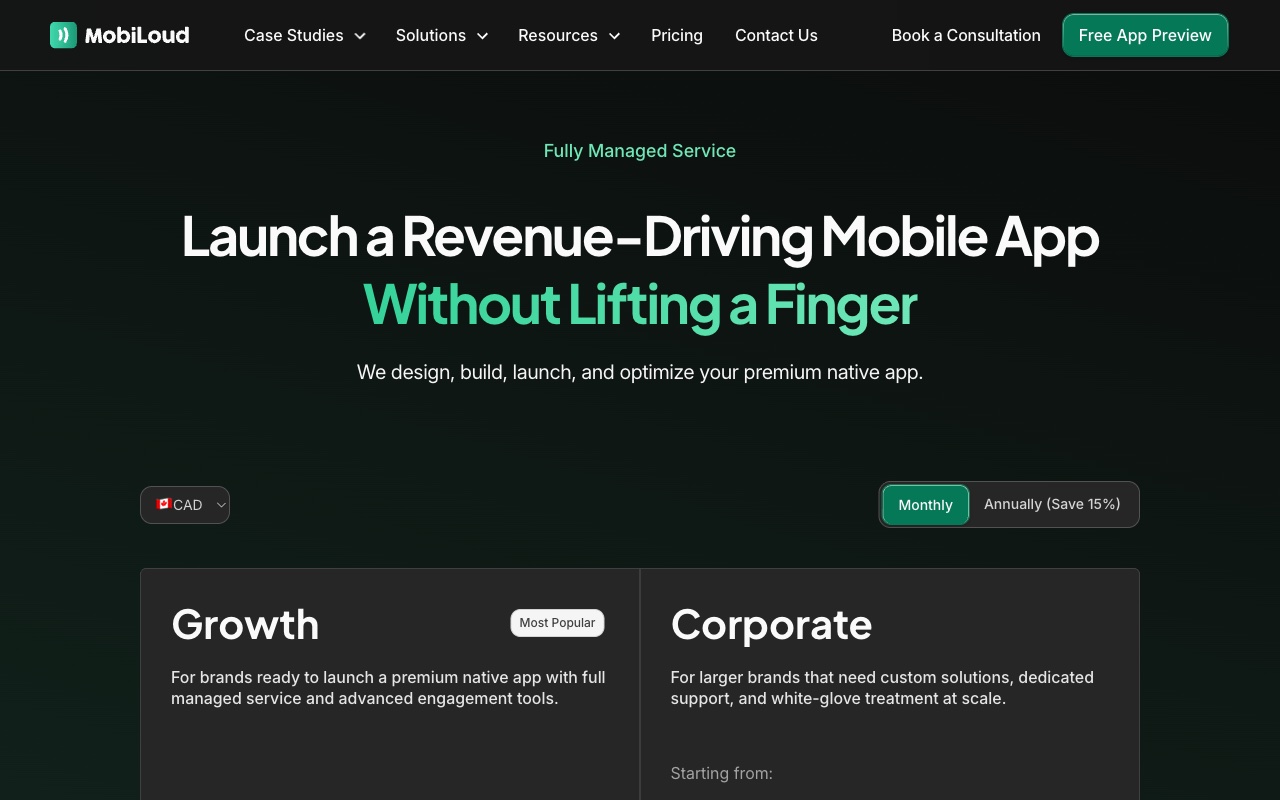
The primary CTA on MobiLoud’s homepage isn’t a sales call or a quote request. It’s a free preview of your actual app, so the prospect sees the deliverable before they pay anything.
MobiLoud productizes website-to-app conversion for ecommerce brands, positioning itself as better than building it yourself and cheaper than hiring a dev shop. The homepage makes that comparison explicit. Built on Webflow.
The weakness is team transparency. The about page is company-level info only, and for a technical service where you’re trusting someone to build your app, more visibility into who’s doing the work would strengthen the pitch.
We Edit Podcasts
B2B podcast production in four steps
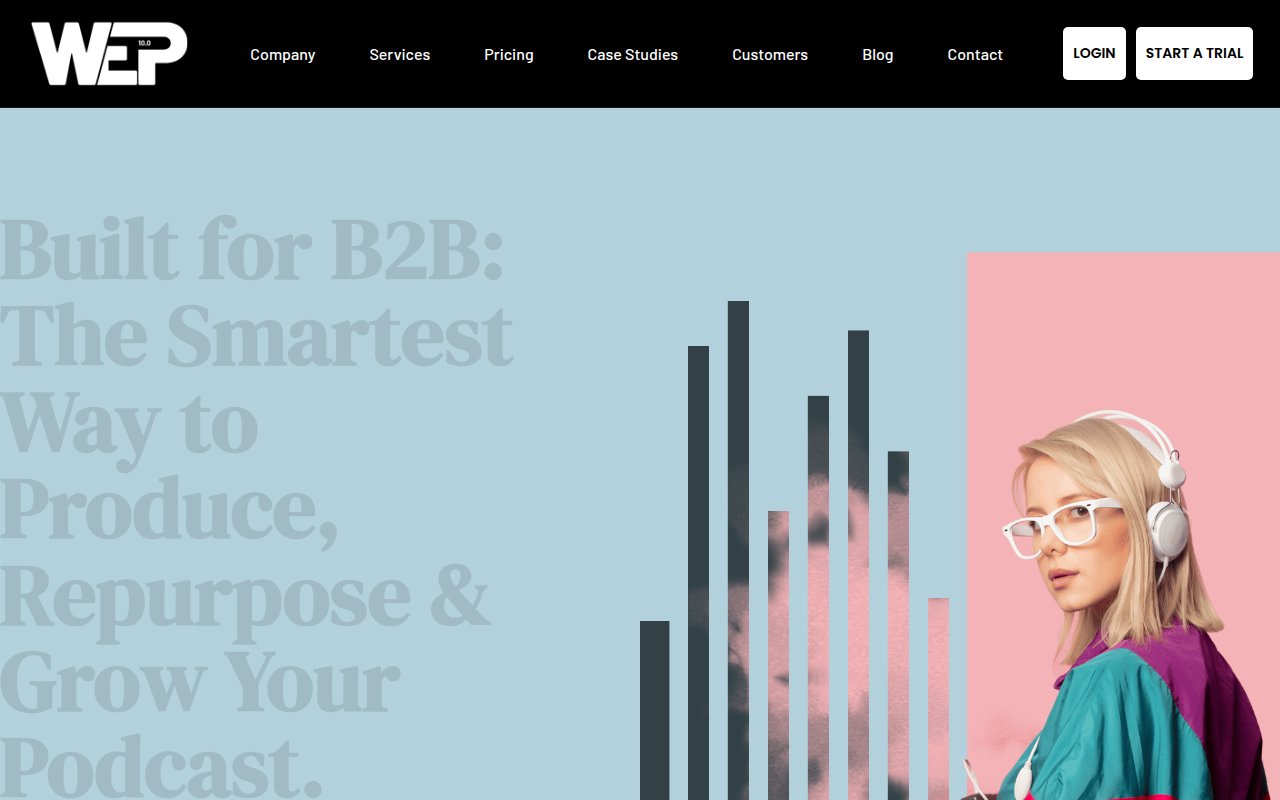
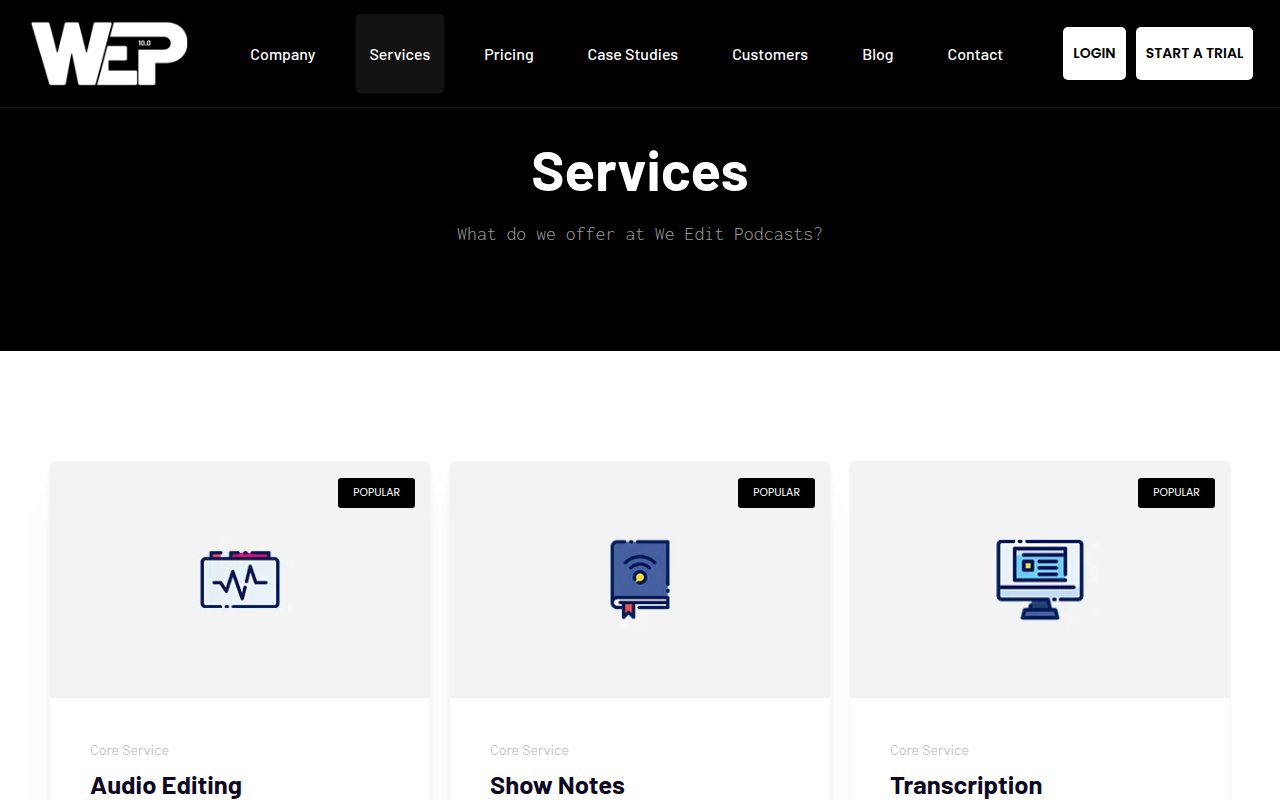
We Edit Podcasts reduces its entire service to a four-step workflow on the homepage, which makes it easy to scan when a buyer has five tabs open.
The site lists thousands of clients and a satisfaction guarantee. Case studies show growth metrics for individual podcasts rather than vague success stories. Female-led and vocal about it, the branding feels personal in a space dominated by generic tech aesthetics.
Where it falls short is team visibility. For a service where you’re trusting editors with your recorded voice, knowing who’s doing the editing would strengthen the pitch. Built on WordPress.
100 Pound Social
Social media plans from £100/month
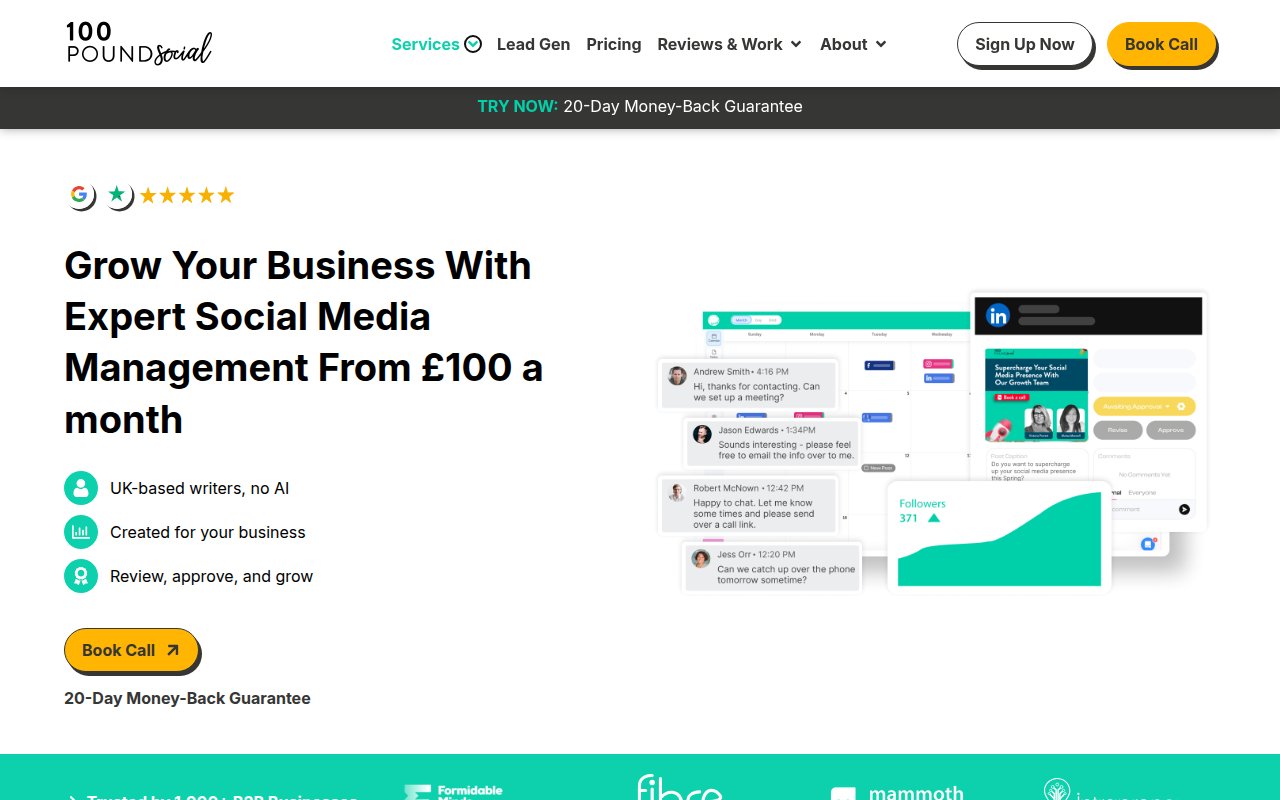
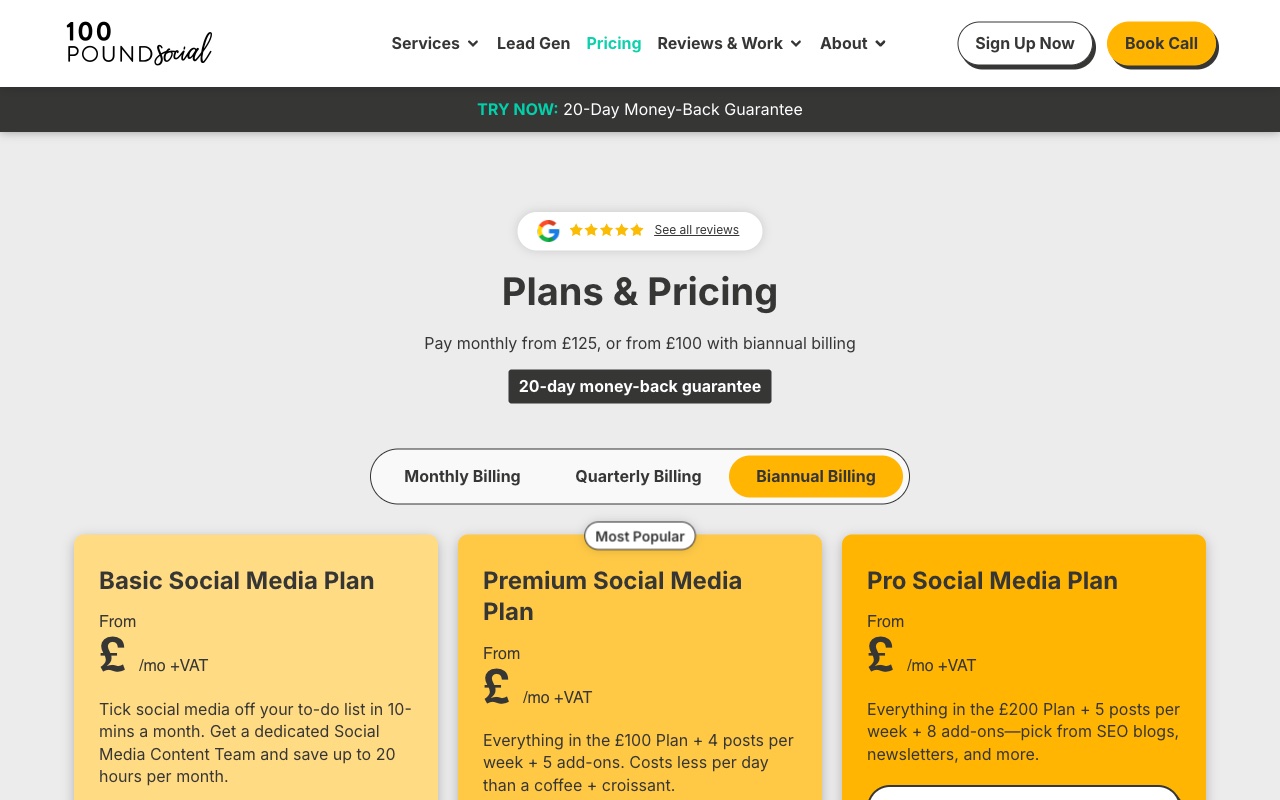
100 Pound Social puts numbers on every testimonial: each one names the customer and includes a specific growth metric.
The productized model is clean: B2B social media management at an accessible price point, human writers (no AI, they’re explicit about this), and a money-back guarantee that lowers the barrier for a first month.
The tradeoff is design. Standard WordPress template, nothing that makes you stop scrolling. For a social media company, that’s a missed opportunity. If you’re managing a client’s social presence, your own site should look like proof of what you can deliver.
ManyPixels
Design subscription with dedicated PMs
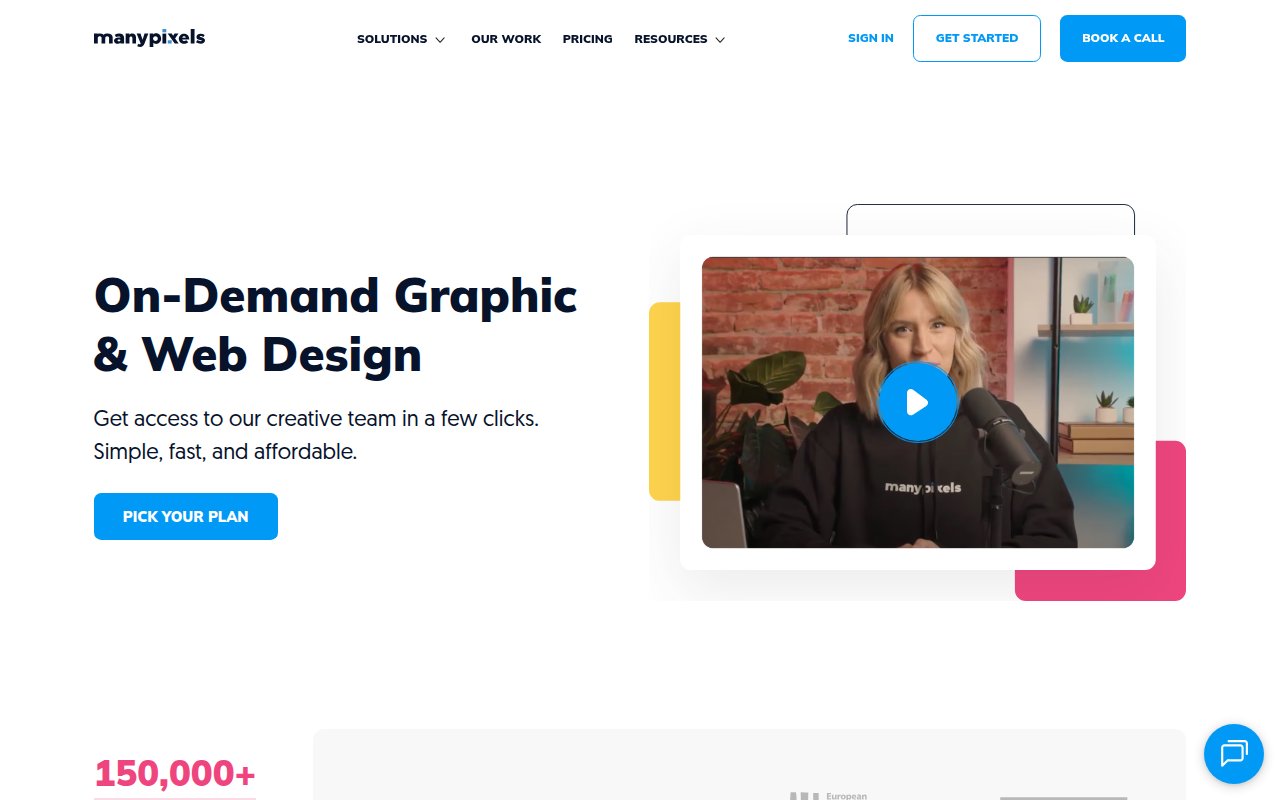
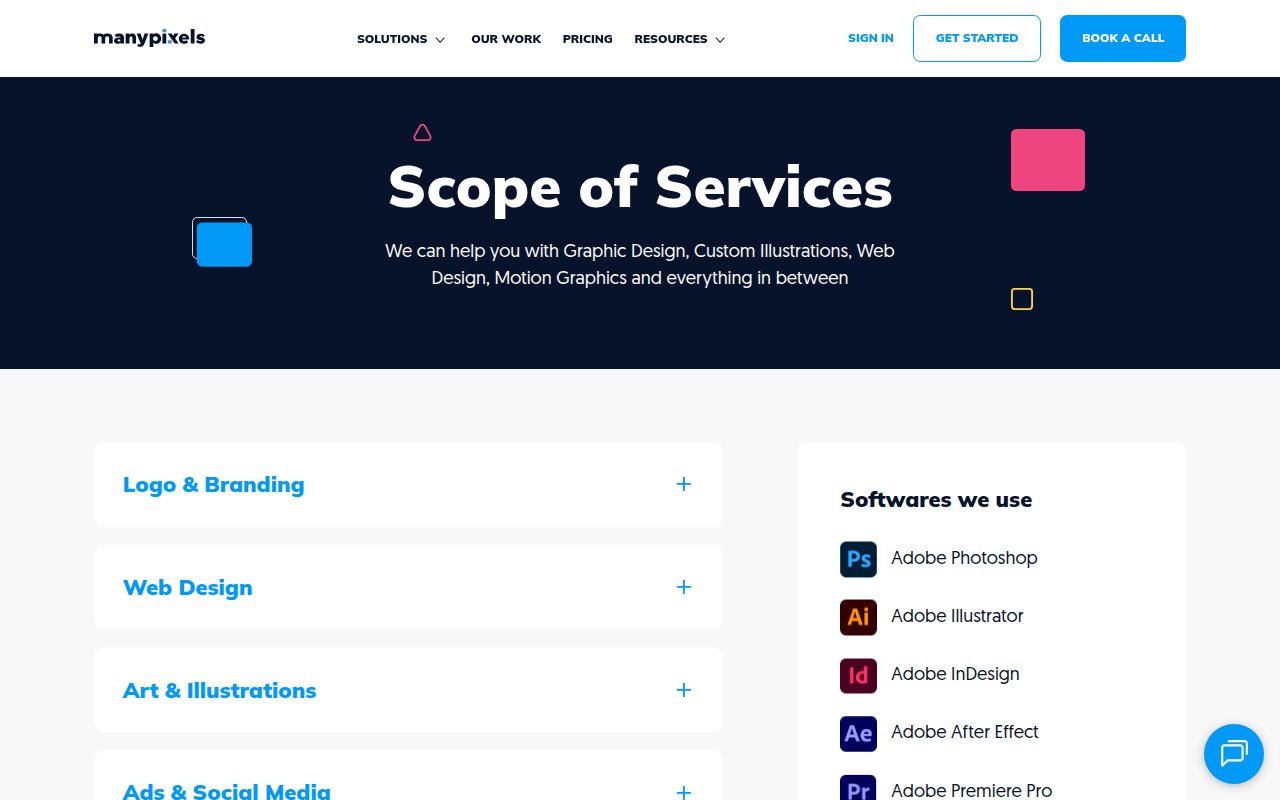
ManyPixels has a site that reflects a company scaled past the founder stage. Every subscriber gets a dedicated designer and project manager, which addresses the biggest complaint about design subscriptions: inconsistency.
The testimonial section is dense with named customers and titles. Pricing and a money-back guarantee are both on the homepage. Built on Webflow.
The missed opportunity is the team page: company info without individual bios or photos. For a design subscription where you’re paired with a specific designer, showing those designers would reinforce the “dedicated team” promise the homepage makes.
WP Buffs
24/7 WordPress care plans
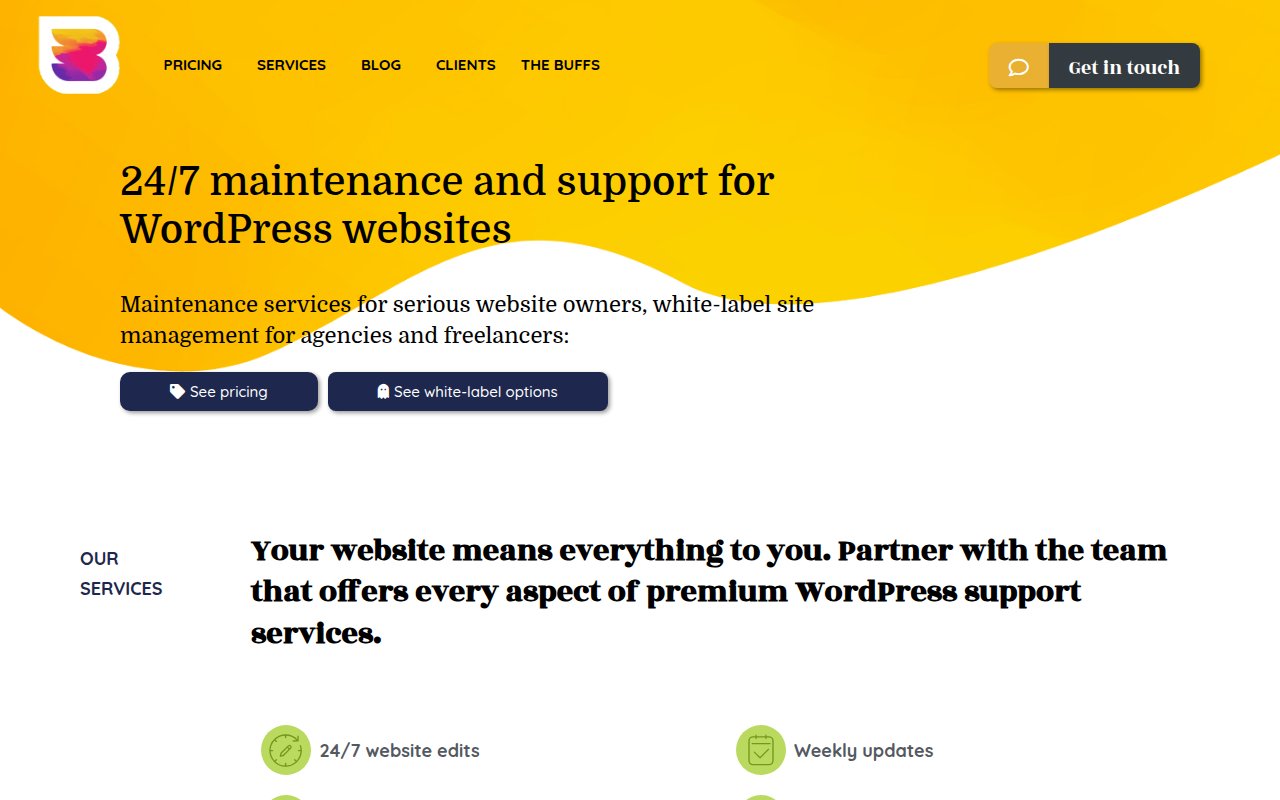
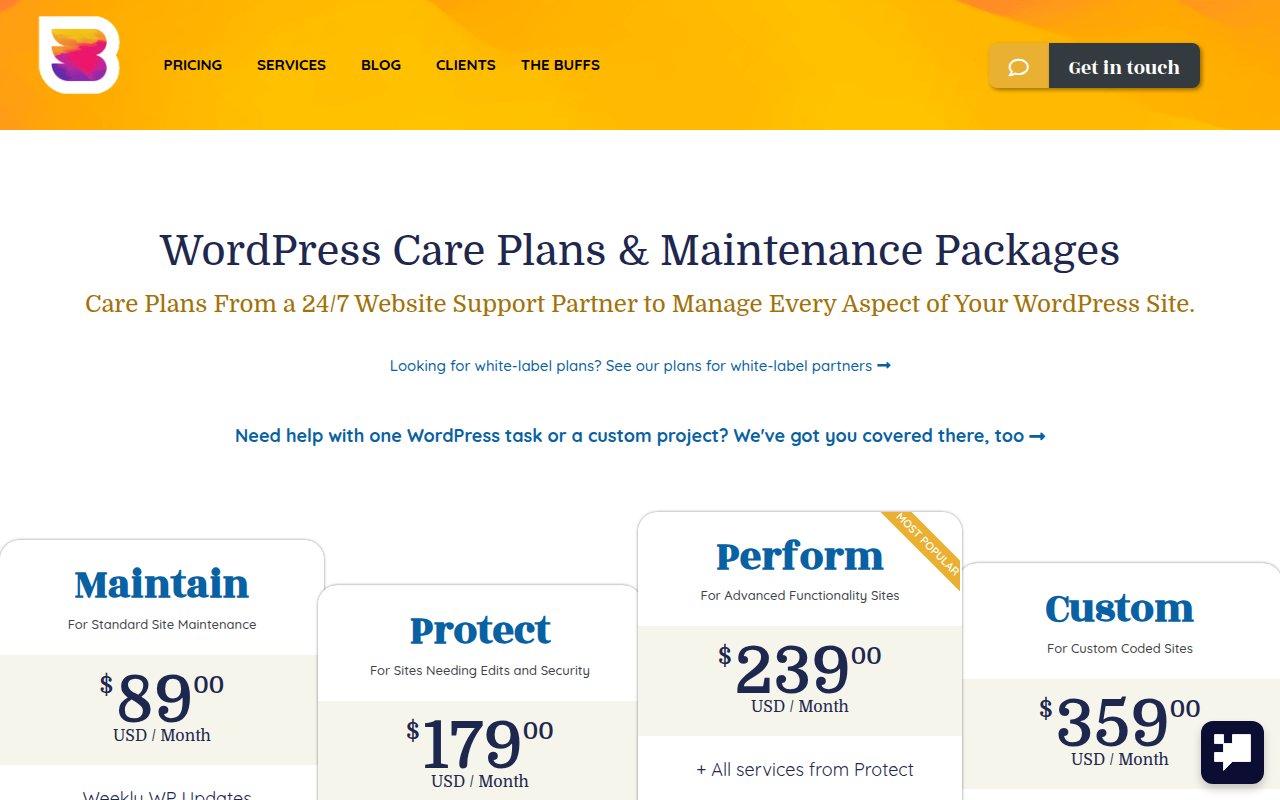
WP Buffs serves two different customers from one site: business owners who need WordPress maintenance and agencies who want to white-label that same service. The homepage splits them apart early, with separate CTAs before the first scroll.
The brand story is built around a globally distributed remote team, and the team page shows real people with their locations. For a 24/7 support service, that global distribution is the operational model. Once you’re on a plan that handles maintenance, security, and speed, switching providers means re-setting up all of it, which keeps churn low.
Social proof is the weak link. Testimonials exist but aren’t prominent on the homepage. For a service where you’re giving someone admin access to your WordPress site, more visible reviews would help.
Miblart
Book covers with no prepayment
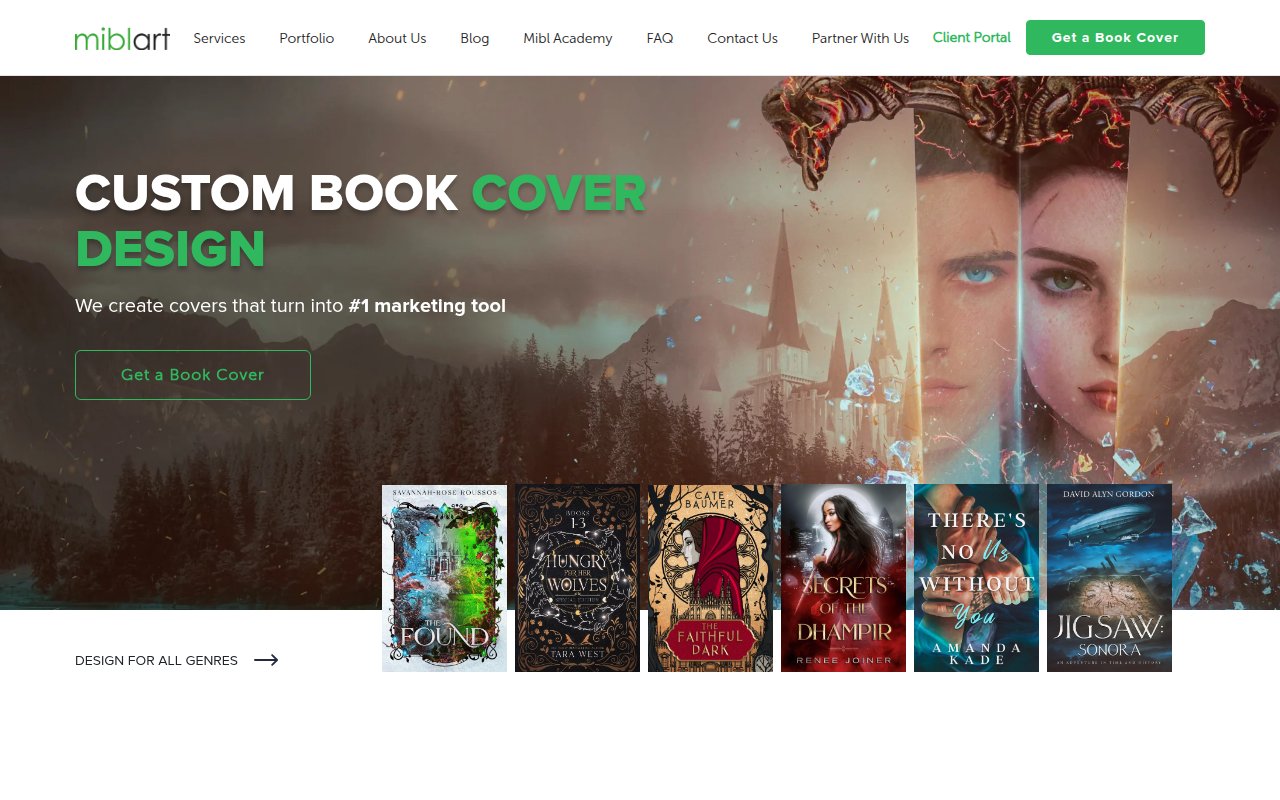
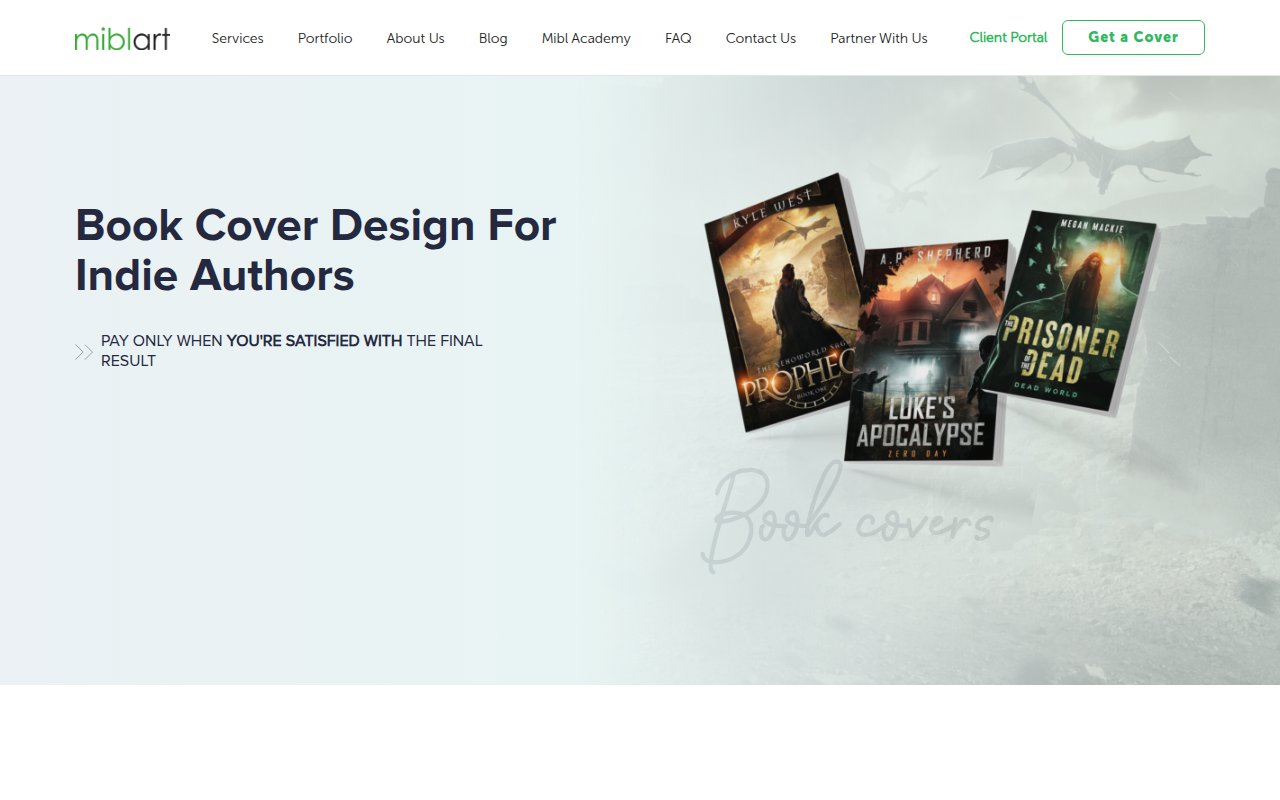
Miblart has been doing book cover design for over a decade with a notable conversion strategy: no prepayment required. The designer creates the cover, you see it, and you pay only if you approve it.
Not ready to commit? Installment payments and unlimited revisions until you’re happy. The portfolio is sorted by genre, so a romance author isn’t scrolling through sci-fi covers to find something relevant.
Built on WordPress with enough pages (services, blog, FAQ) to compete for long-tail search terms. The team page is generic. That’s a pattern across nearly every site in this review: productized services sell the system, not the people.
What the best productized service websites have in common
Transparent pricing on the homepage
Nearly every high-performing site in this review shows pricing openly. Tiers, monthly rates, and what's included. The only exception (Lower Street) targets enterprise clients where custom scoping makes sense. If your average deal is under $10K/mo, show the price. Hiding it sends visitors to the competitor who does.
Volume metrics as primary social proof
The top sites lead with aggregate stats in the hero section: customers served, designs completed, projects delivered. At scale, a volume metric answers "can they actually do this?" faster than any individual testimonial quote.
Risk reversal before you scroll
Money-back guarantees, free trials, no-prepayment models. Most sites in this review offer at least one risk reversal mechanism above the fold. Miblart's "pay after you approve" and MobiLoud's free app preview are the strongest examples. The first purchase is the hardest, and guarantees remove the friction.
Process visualization in four steps or fewer
We Edit Podcasts, MobiLoud, and Testimonial Hero all reduce their service to a simple step-by-step workflow on the homepage. Complex services need to feel simple to buy, and a numbered workflow makes them scannable.
Niche positioning over generalist claims
The strongest sites serve one type of customer and say so explicitly. Miblart does book covers. Lower Street does branded podcasts. Testimonial Hero does B2B video testimonials. Generalist sites that try to be "design, dev, marketing, and everything else" consistently scored lower because the messaging gets diluted and the buyer can't tell if the service actually fits their problem.
How to build your productized service website
-
Show your pricing on the homepage. Don’t hide it behind a demo call unless you’re targeting enterprise buyers. Tiers with clear inclusions, a monthly price, and a visible “subscribe” or “get started” button. The visitor has other tabs open.
-
Display a volume metric above the fold. Total orders completed, customers served, or deliverables produced. If you’re early-stage and the numbers are small, use a different proof point (awards, named client logos, review platform ratings). But once you hit a meaningful number, put it front and center.
-
Offer a risk reversal. Free trial, money-back guarantee, or pay-after-approval. Pick the one that fits your economics and make it visible. The first purchase is the hardest sale. Every site in this review that scores well on conversion offers at least one safety net.
-
Visualize your process in four steps or fewer. Homepage visitors need to understand how the service works in under 10 seconds. A numbered workflow (submit, we work, you review, done) communicates simplicity. If your process takes more than four steps to explain, simplify the explanation, not the process.
-
Pick a niche and build pages around it. One service page per offering. The strongest sites in this review have dozens of individual pages, each targeting a different search query and speaking directly to a different buyer problem. A single “Services” page loses to competitors who go specific.
Key Takeaways
- Show pricing transparently. Nearly every top-performing productized service site publishes pricing. Hiding it only works if you're selling to enterprise.
- Volume metrics (orders delivered, customers served) are the most effective social proof for productized services. They answer "can they scale?" without anyone having to ask.
- Offer a risk reversal: free trial, money-back guarantee, or pay-after-approval. The first purchase is always the hardest, and guarantees remove friction.
- Show your workflow in four steps or fewer on the homepage. Buyers comparing tabs choose the service that feels simplest to start.
- Team authenticity is the most common weakness across productized service sites. Showing real people with real credentials differentiates you from most competitors.
- Treat your website like a storefront with clear conversion paths, not a brochure that asks visitors to "get in touch."
How we picked these sites
We started with a broad scan of hundreds of productized service websites, filtering for companies with strong third-party signals: high review platform ratings, meaningful organic search traffic, and recent site updates indicating active businesses. We also reviewed coverage from Productize & Scale, Indie Hackers, and Wayfront Blog to find smaller companies worth evaluating that don’t rank on page one of Google.
From that pool, we selected dozens of the top sites and scored each on five criteria: UX quality, conversion optimization, social proof integration, team authenticity, and SEO coverage. Every site got a multi-page review covering the homepage, services or pricing page, and any notable pages.
The sites featured here earned the highest overall scores. Each one made the cut because it does something specific well, not because it’s the “best” at everything. The goal is a collection where every site teaches a different lesson about what works for productized service websites.
Frequently Asked Questions
What makes a productized service website different from a regular agency site?
Productized service websites function more like e-commerce stores than agency brochures. They lead with transparent pricing, offer self-serve signups or free trials, and use volume metrics (orders completed, customers served) as their primary proof point instead of case studies and team bios. Nearly every top-performing site in our review shows pricing openly rather than hiding it behind a sales call.
How much does a productized service website cost to build?
Most productized service sites in our review run on Webflow or WordPress. Budget $2,000-5,000 for a professional build with custom pricing pages and testimonial sections. DesignJoy proves that even a single-page site can work at $5,995/mo, so focus your investment on conversion elements (pricing, social proof, process visualization) rather than page count.
Should I show pricing on my productized service website?
Almost every top-performing site in our review shows pricing transparently. The only exception was Lower Street, which targets enterprise clients where custom scoping makes sense. If your average deal is under $10,000/mo, show the price. Hiding it sends comparison shoppers to the competitor who does.
 Barbershop Websites: 20 Design Examples (2026)