Homeowners and developers don’t choose contractors based on who has the best website. They choose based on who feels least likely to disappear mid-project.
We reviewed dozens of general contractor websites across six markets, and the pattern was consistent: the sites winning bids prove trust with project photos, named teams, and testimonials from real clients willing to attach their full name to a quote.
Gaspar's Design Build Remodel
50-year woman-owned remodeler with full team bios
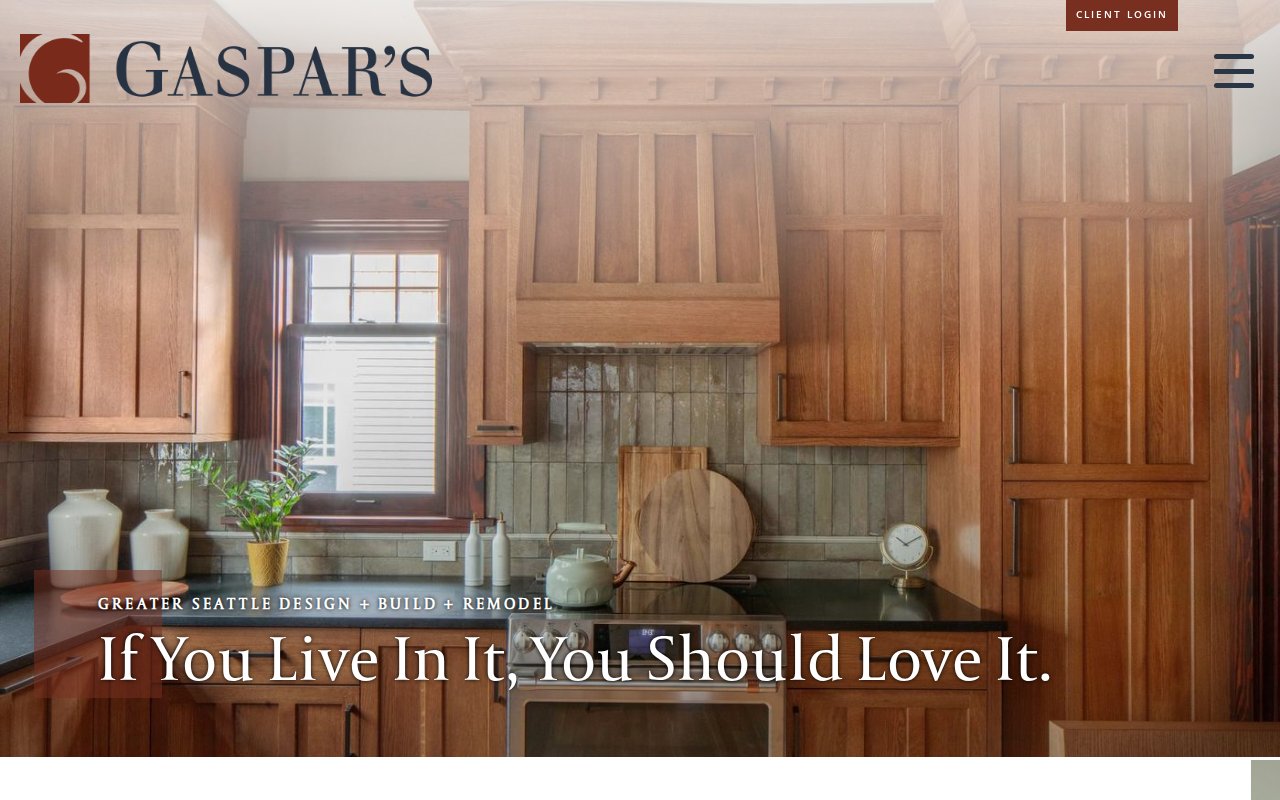
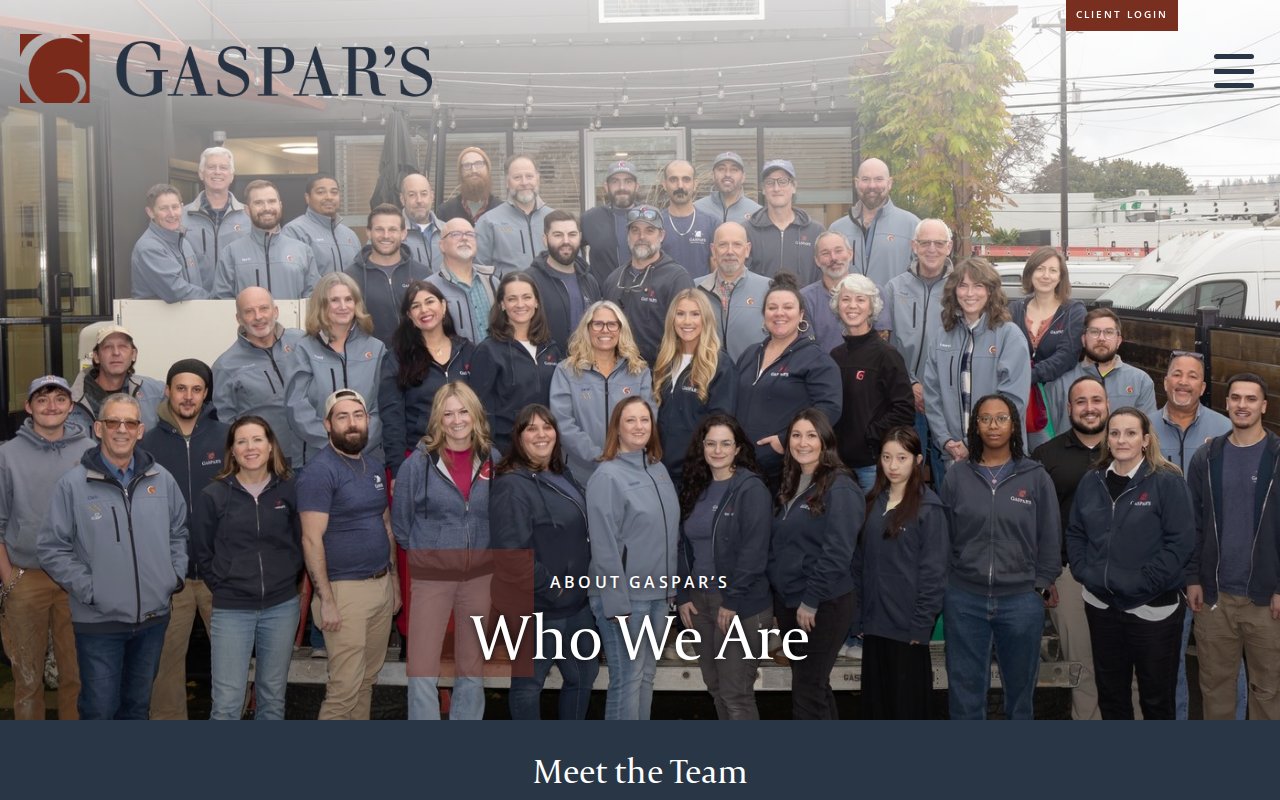
Gaspar’s Design Build Remodel leads with “If You Live In It, You Should Love It” and follows through. The homepage features three named client testimonials, and the about page names every team member from second-generation owner Sarah Henry down to field carpenters. That’s 30+ people with real names and roles.
POWER Construction
Editorial homepage with 12 animated market sectors
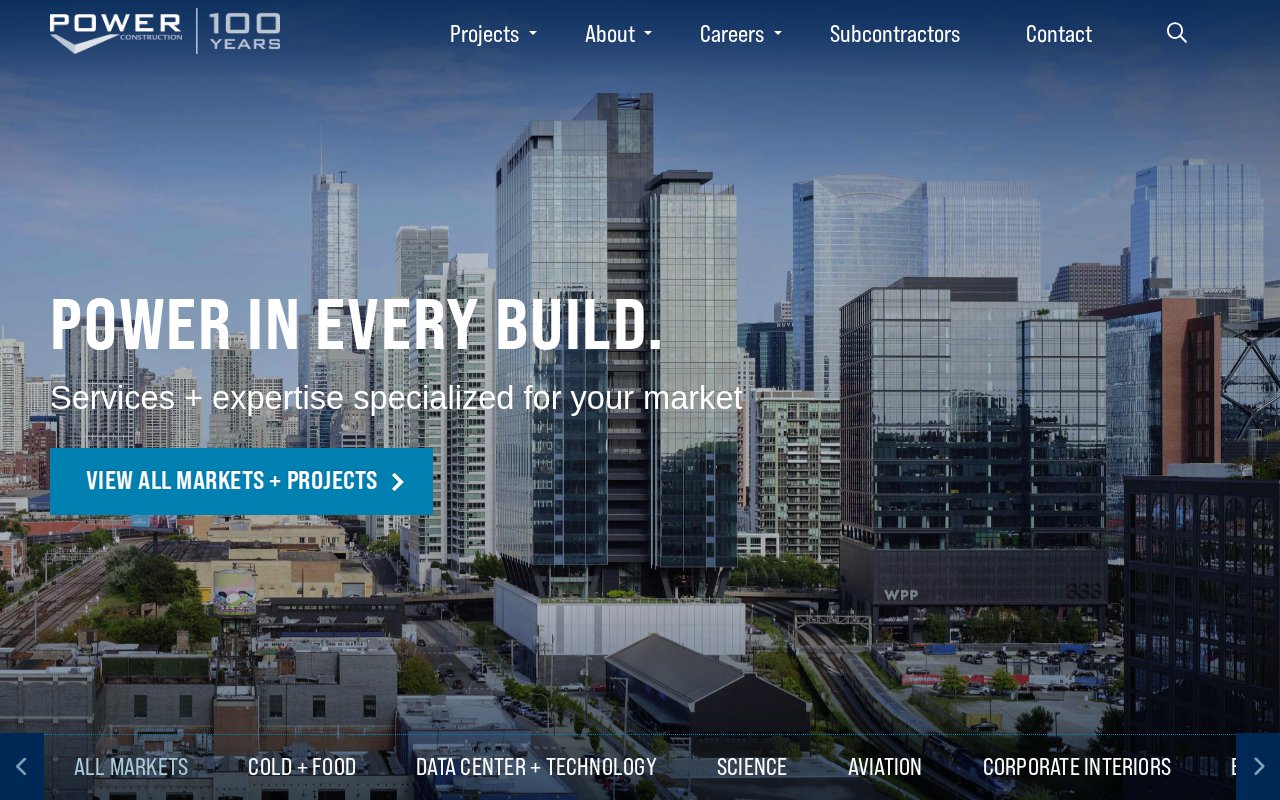
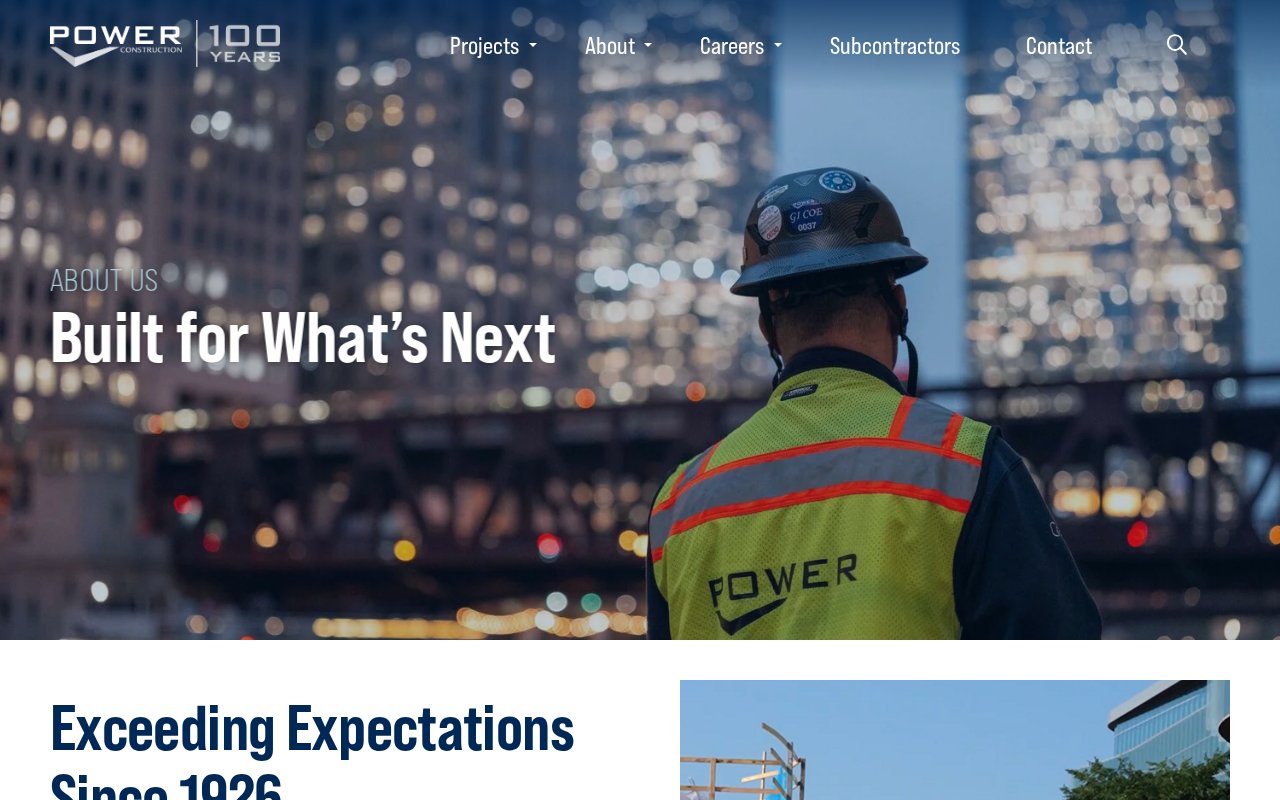
POWER Construction opens with the tagline “POWER IN EVERY BUILD.” and custom animated market-sector cards across 12 industries that let clients jump straight to their sector. Rooted in Chicago for 100+ years, the site reads more like a professional services firm than a trades business. The weakness: no phone number visible on the homepage and no named team members above the fold.
Hammer & Hand
Employee ownership and a woodshop in-house
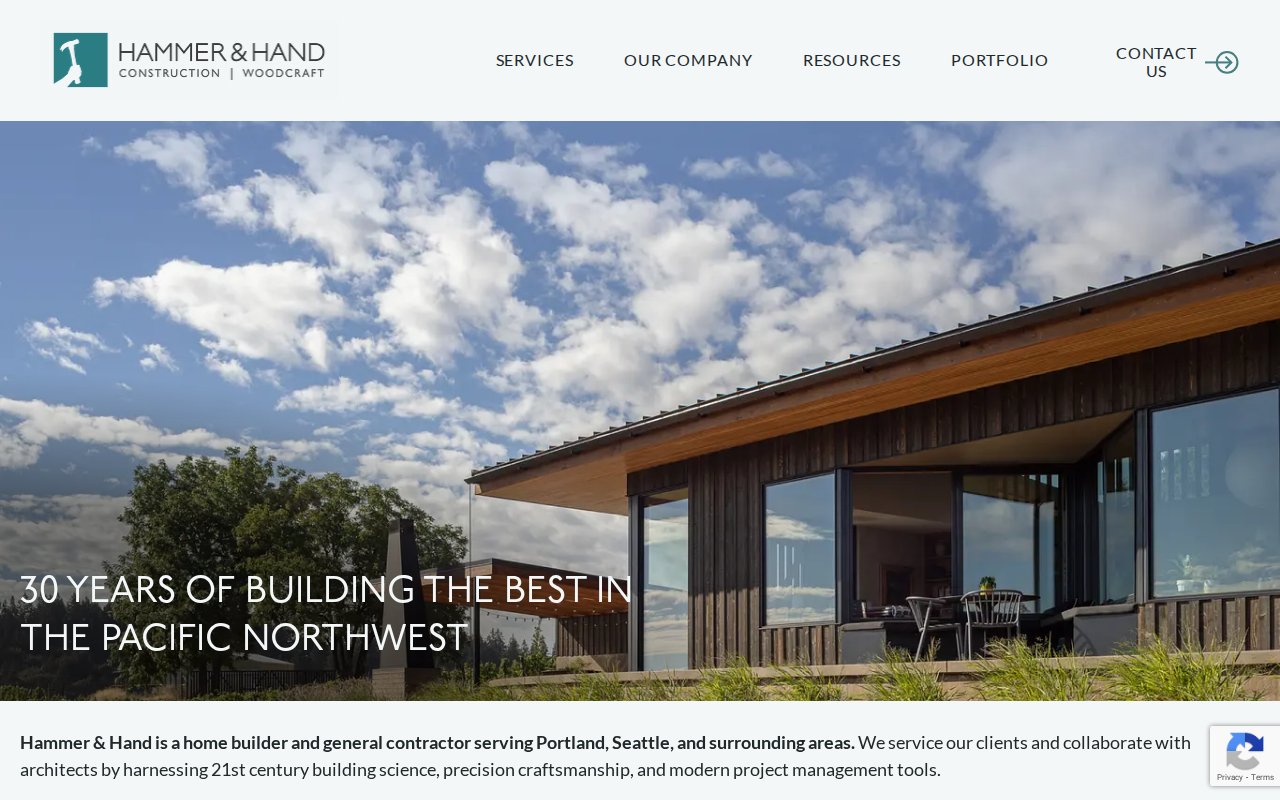
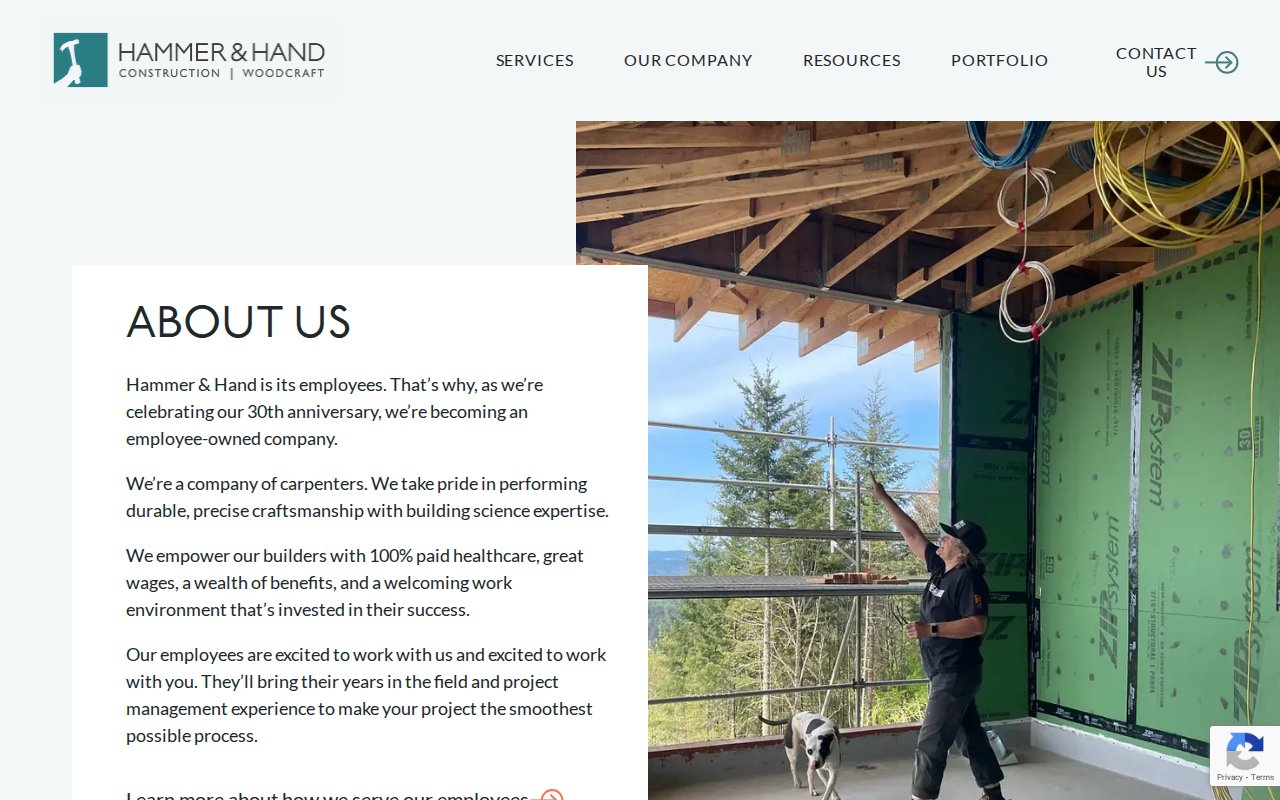
Hammer & Hand has a resources hub with real depth, not just a dead blog with three posts. Their craftsmen manage projects from start to finish and perform most trades in-house, which they explain clearly on the about page. The 30th anniversary employee-ownership announcement is front and center. Both Portland and Seattle phone numbers appear with contractor license numbers.
Better Builders
Industry-leading 5-year craftsmanship warranty
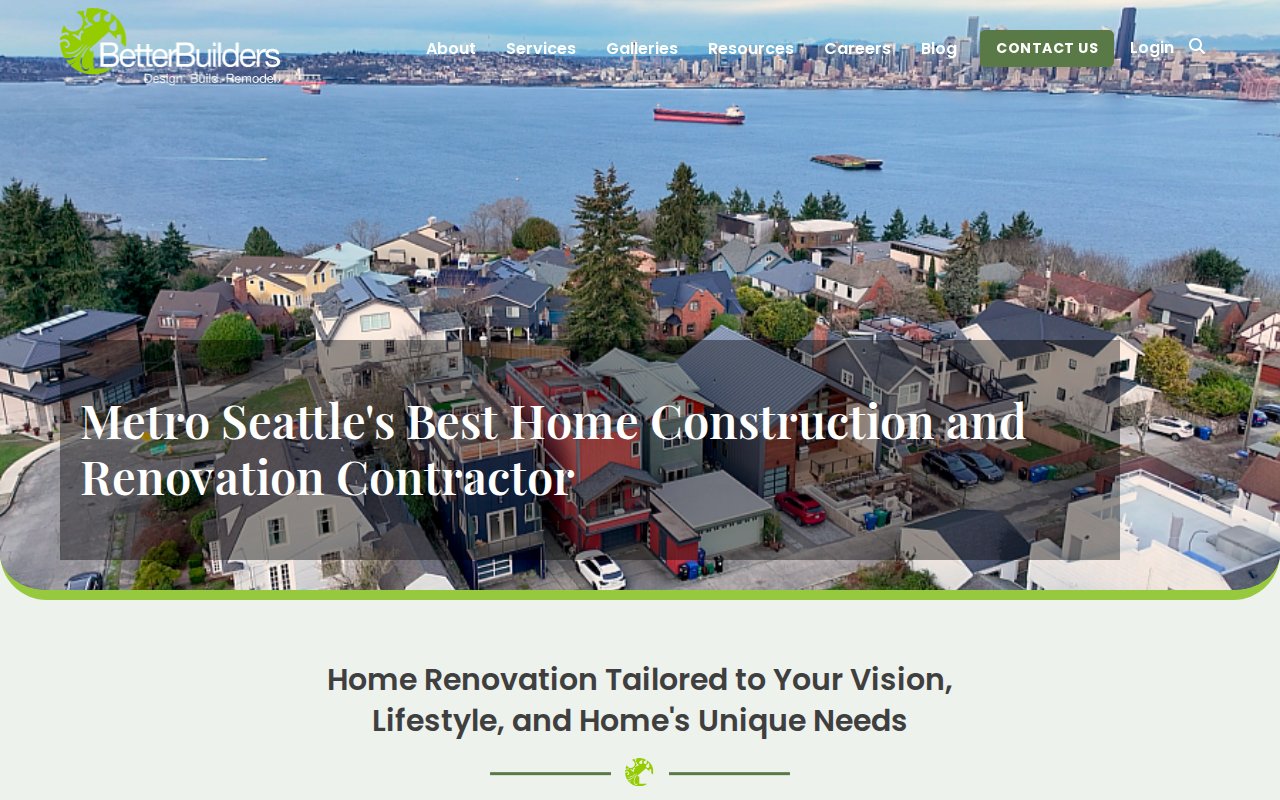
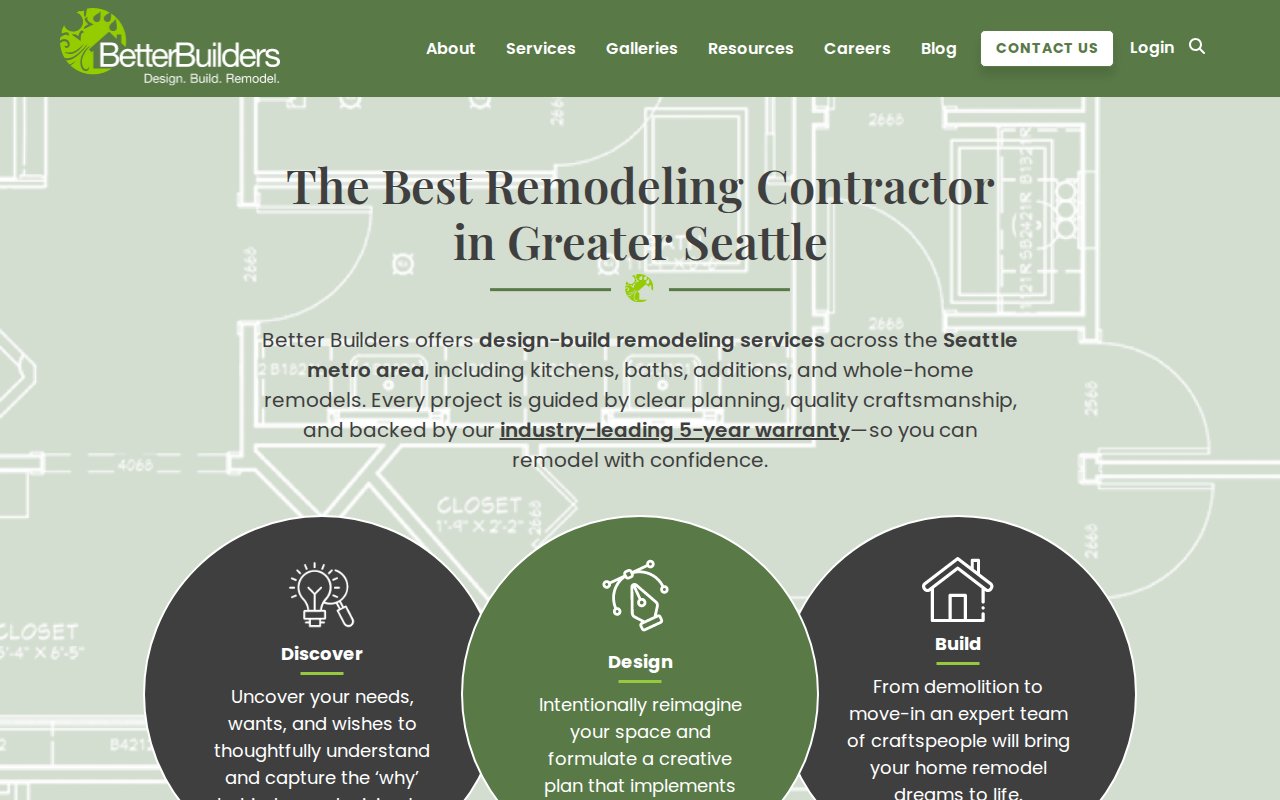
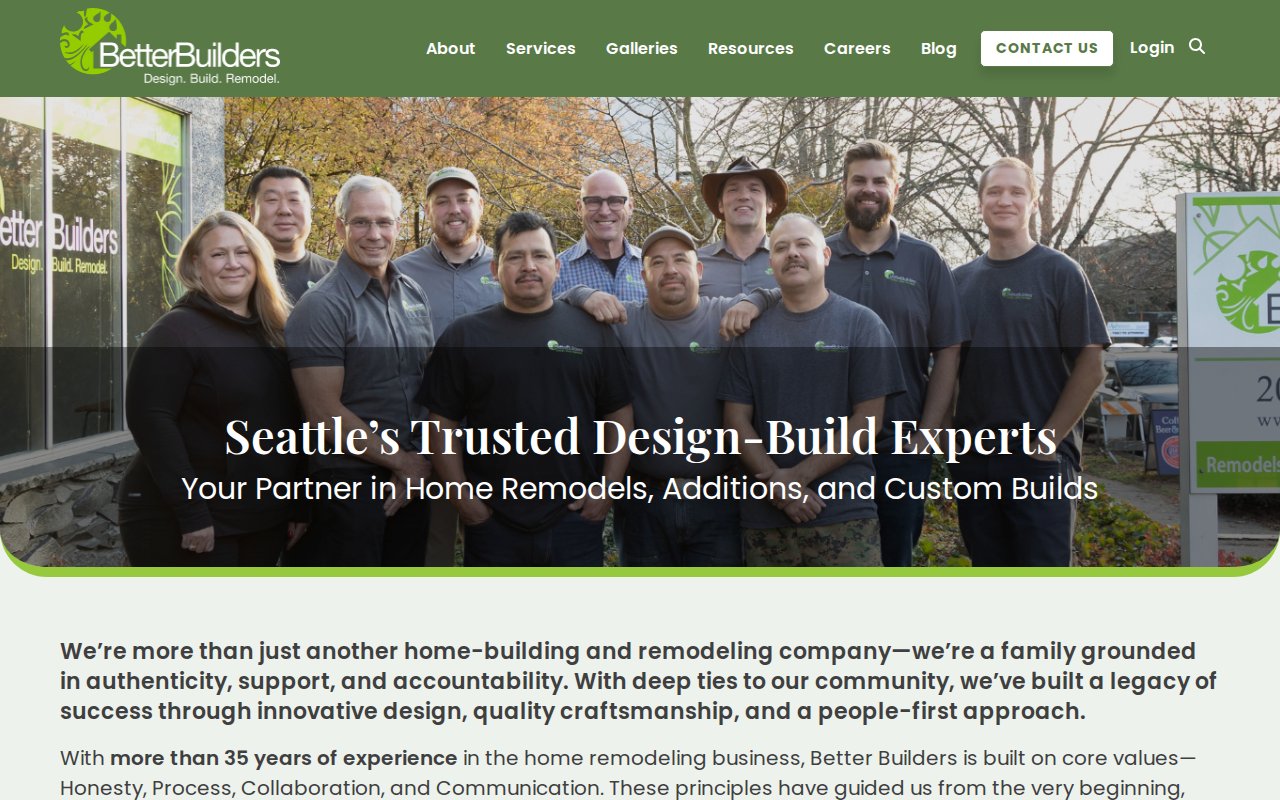
Better Builders leads with a 5-Year Craftsmanship Warranty and dedicates a full homepage section to explaining it. Their primary CTA is specific (“Schedule Your Free Seattle Area Home Remodel Exploration Call”), and they offer a downloadable Homeowner’s Guide as a lead magnet. 26 cities listed on the homepage and dedicated service pages for each project type cover the SEO bases. The weakness: no dedicated team page or founder names visible, which undercuts the personal trust the warranty tries to build.
Potter Construction
17 Houzz Customer Service awards on display
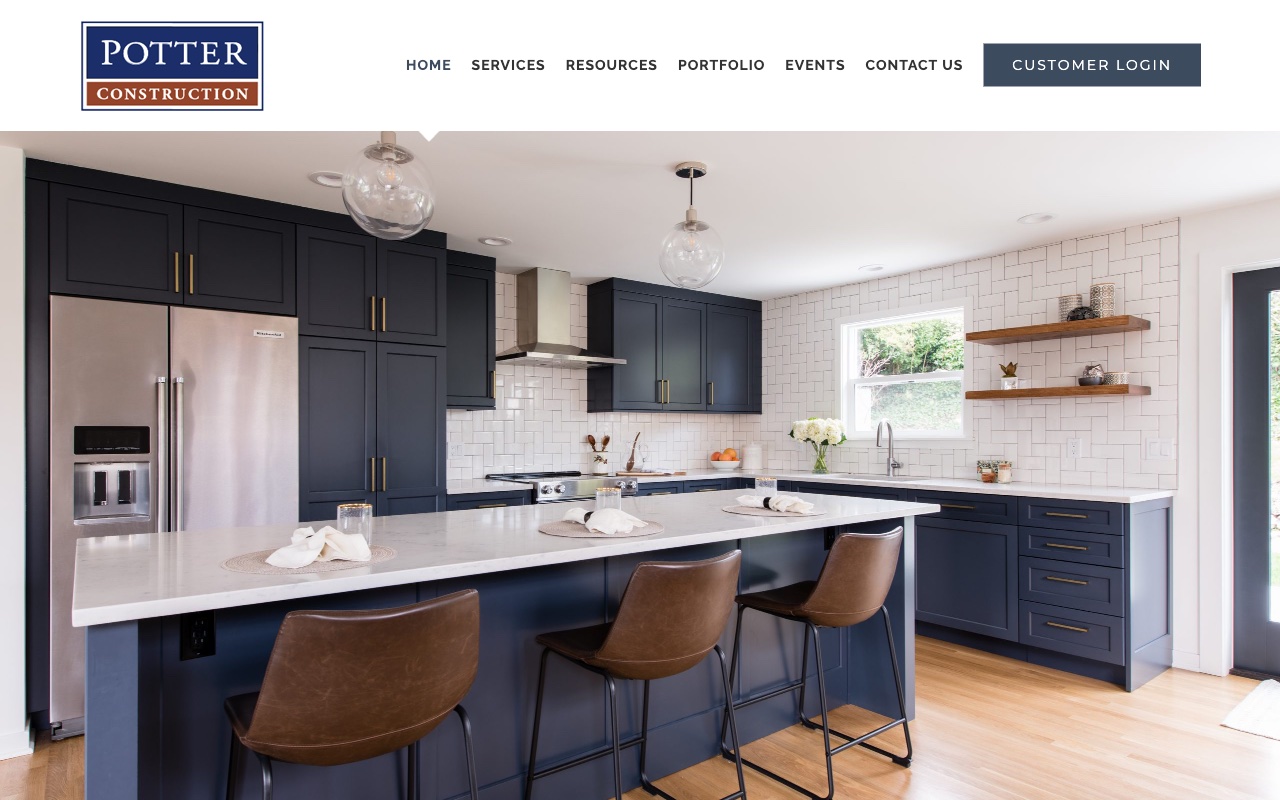
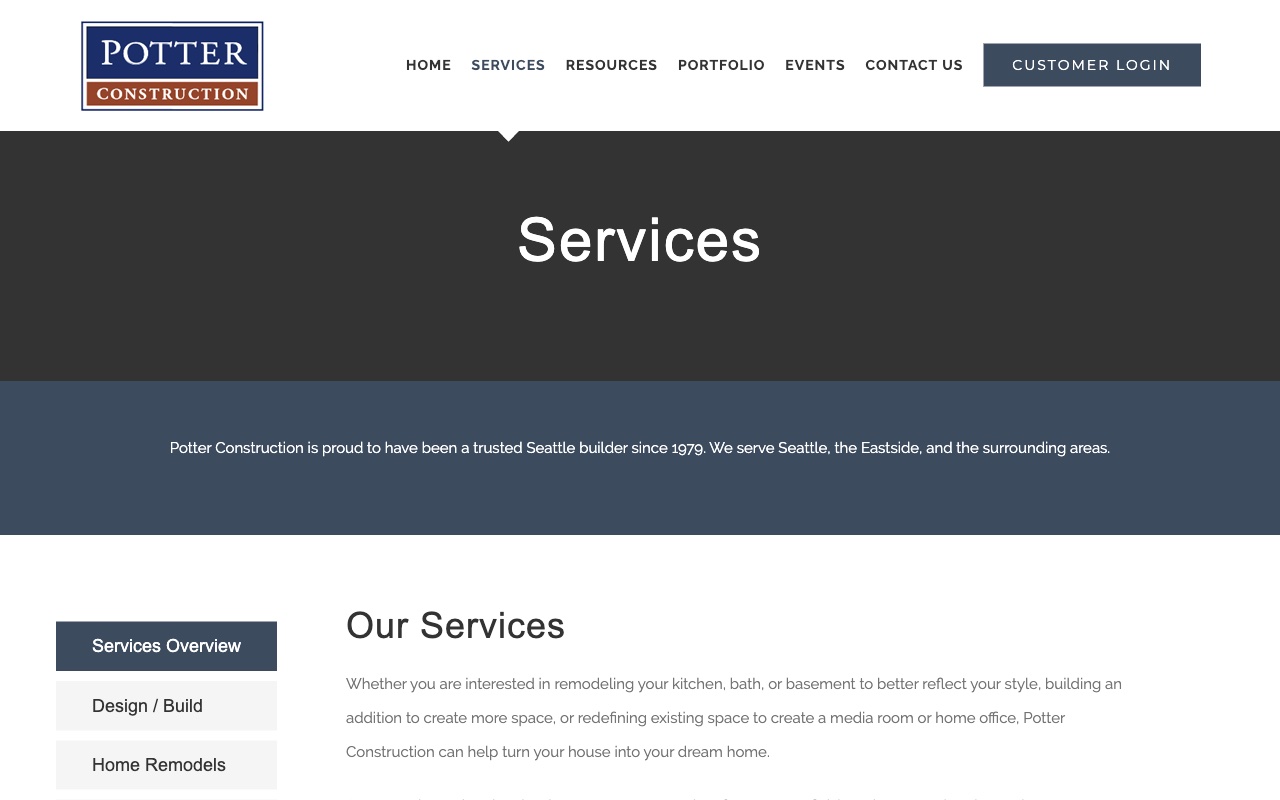
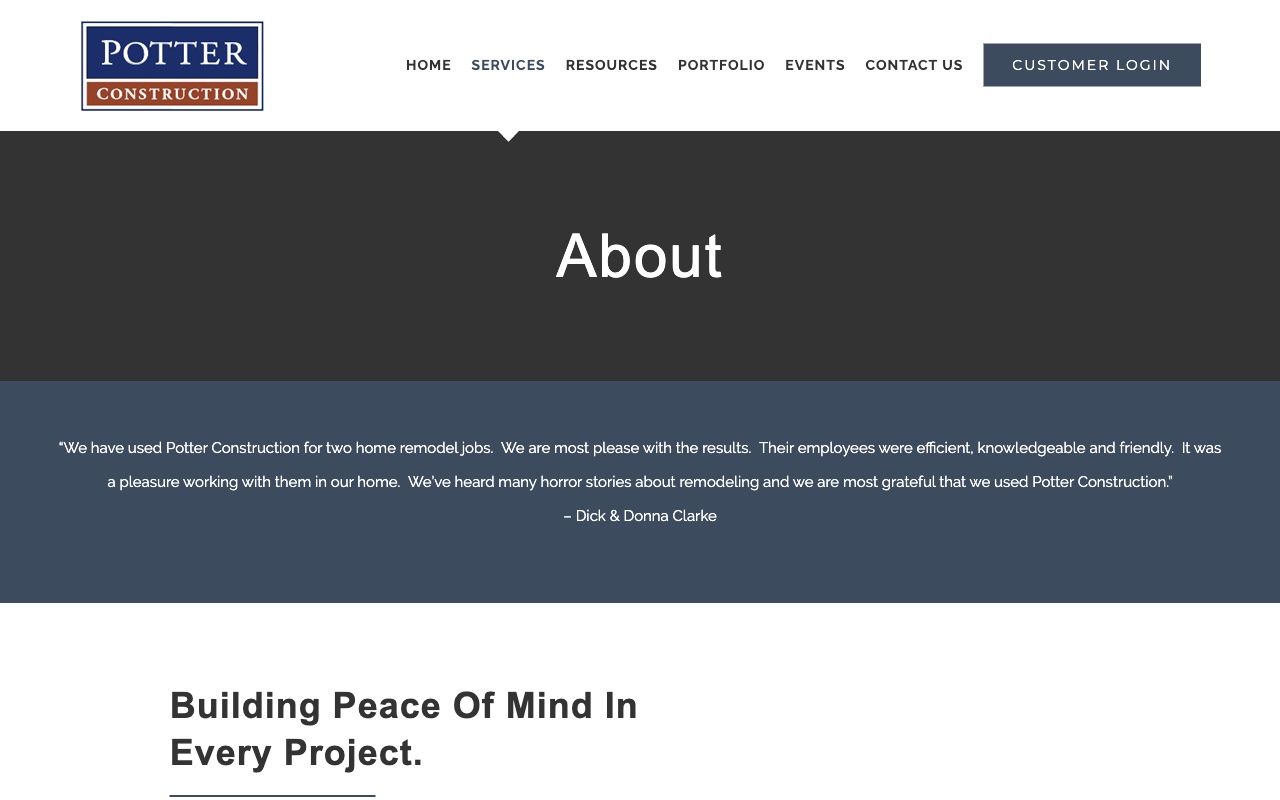
Potter Construction leans heavily on client testimonials. The homepage section “Our Home Owners Say” features full-paragraph Houzz testimonials from named homeowners, each describing specific project details and calling the team “family” after 10-month whole-house remodels. 17x Best of Houzz Customer Service awards are prominently displayed, and in residential remodeling, Houzz is the platform that matters. A customer login portal for active projects signals commitment beyond the single job. The site design is standard WordPress and won’t win any visual awards, but the testimonial depth compensates.
Summit Design + Build
14-category portfolio with dual Chicago/Austin offices
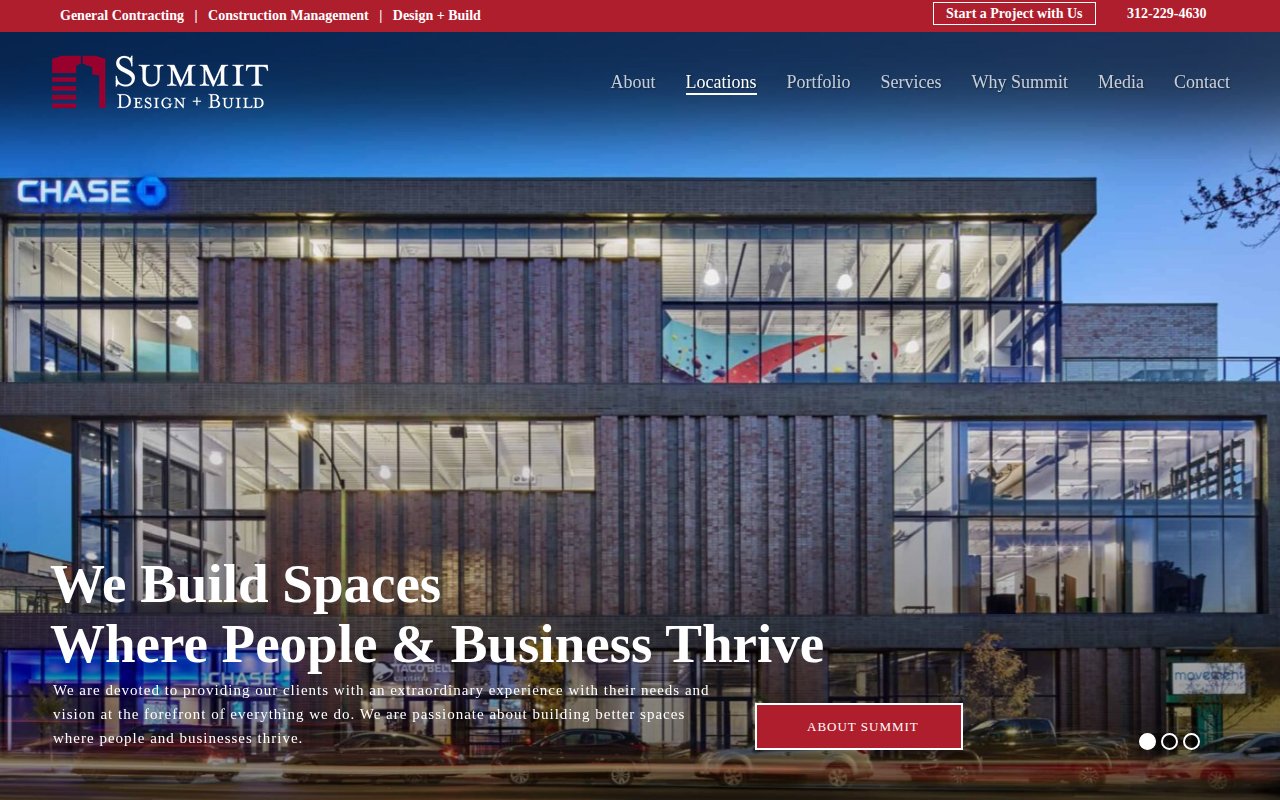
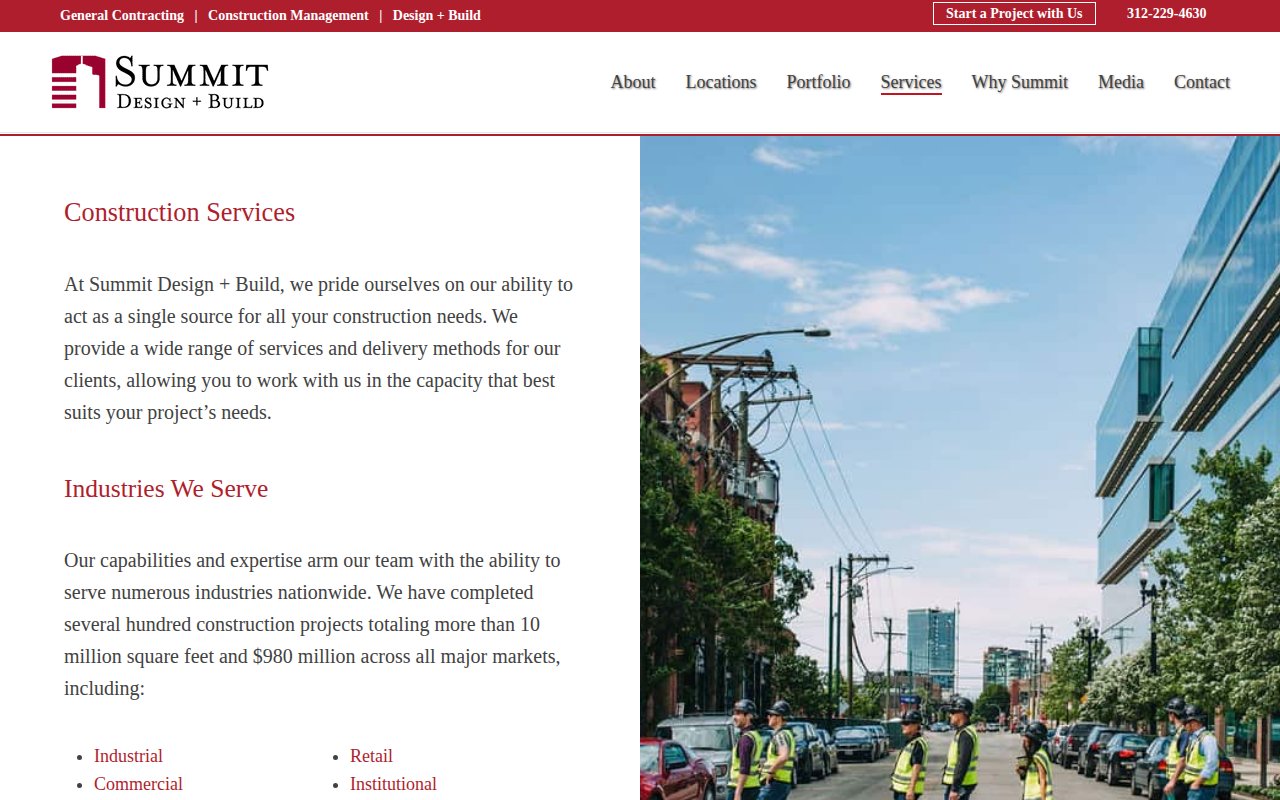
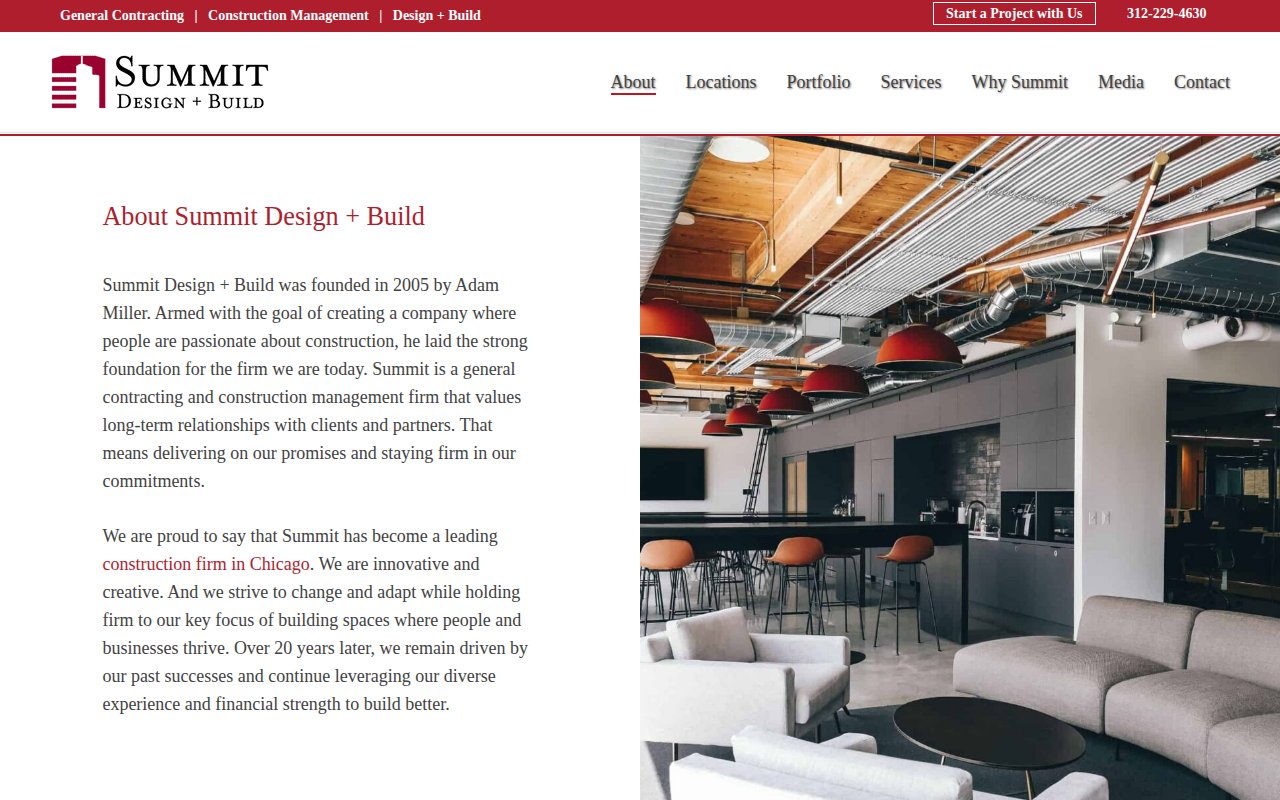
Summit Design + Build splits their portfolio into 14 project categories so a restaurant developer sees restaurant projects, not data centers. With offices in Chicago and Austin, the site gives each market equal visibility and lists 300+ completed projects totaling $980M+. A “Summit Gives Back” section rounds out the site with community involvement.
Spectrum General Contractors
Three in-house craft shops including historic window restoration
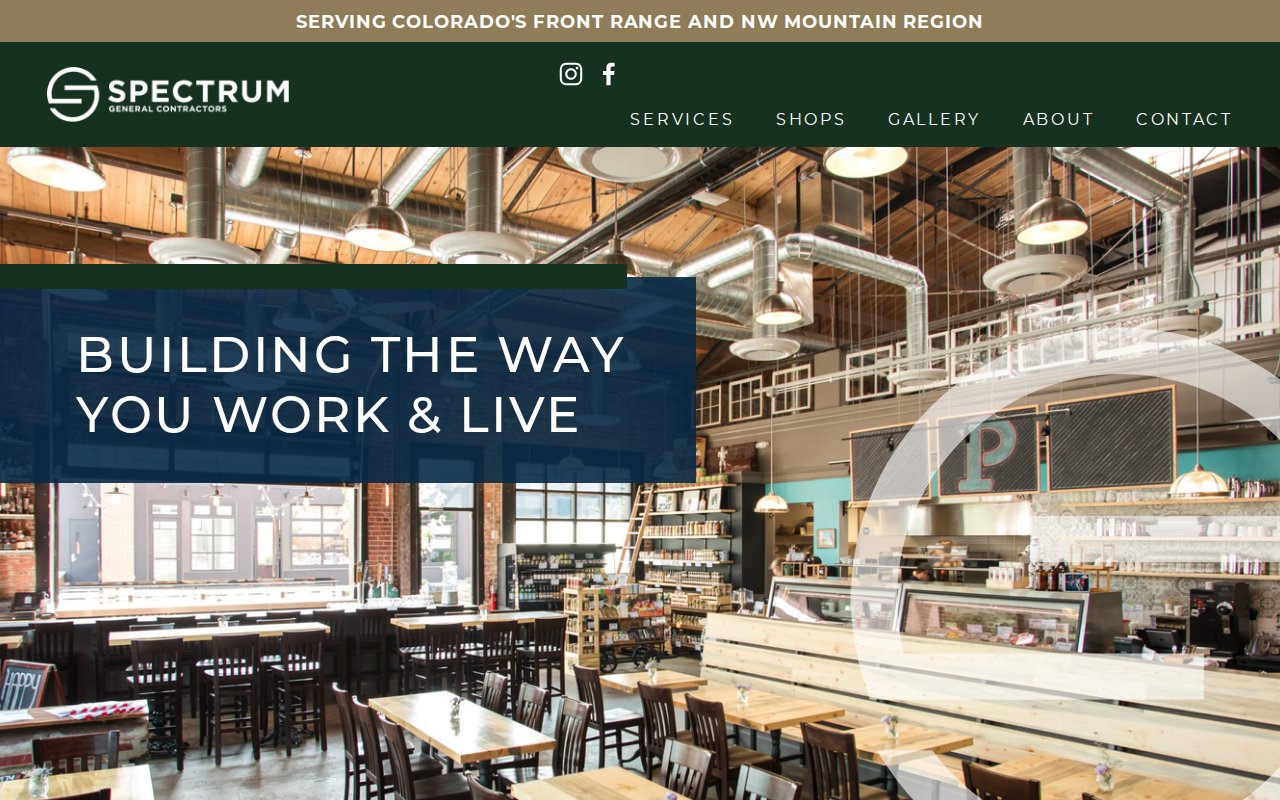
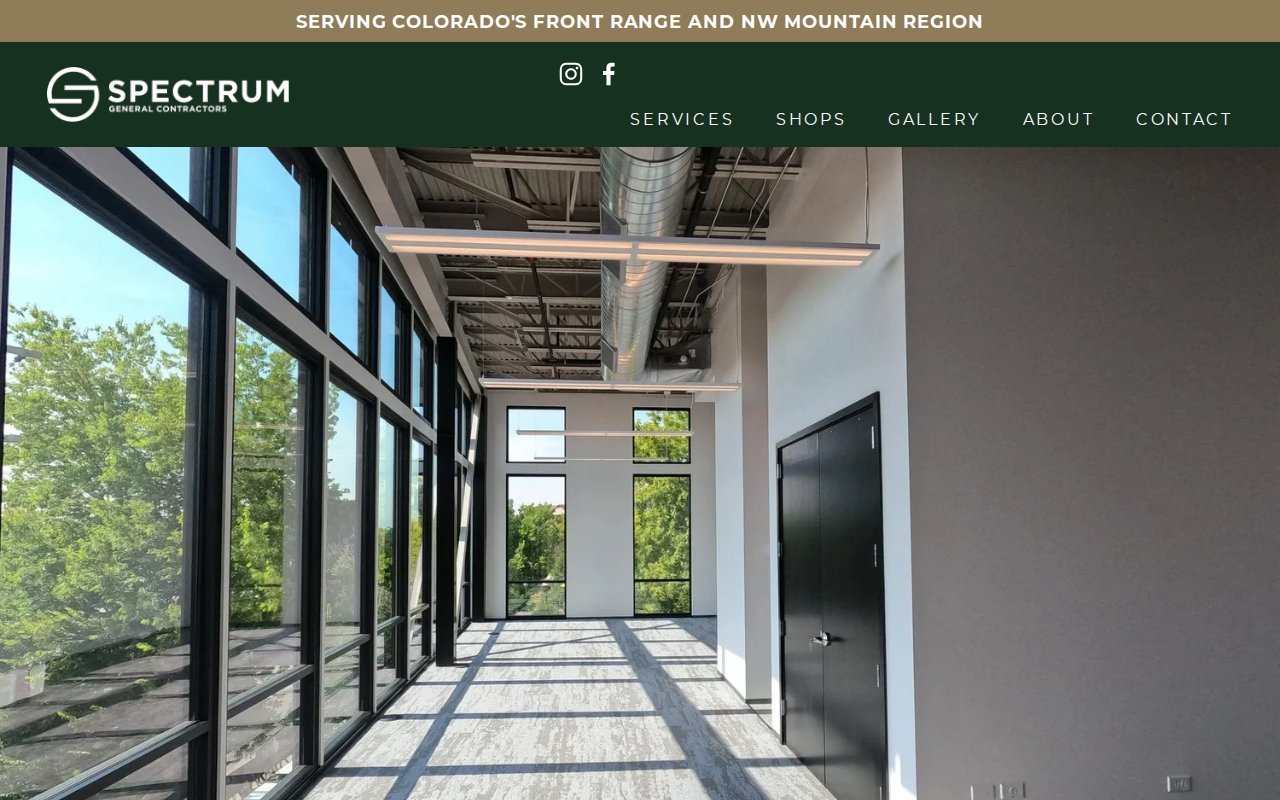
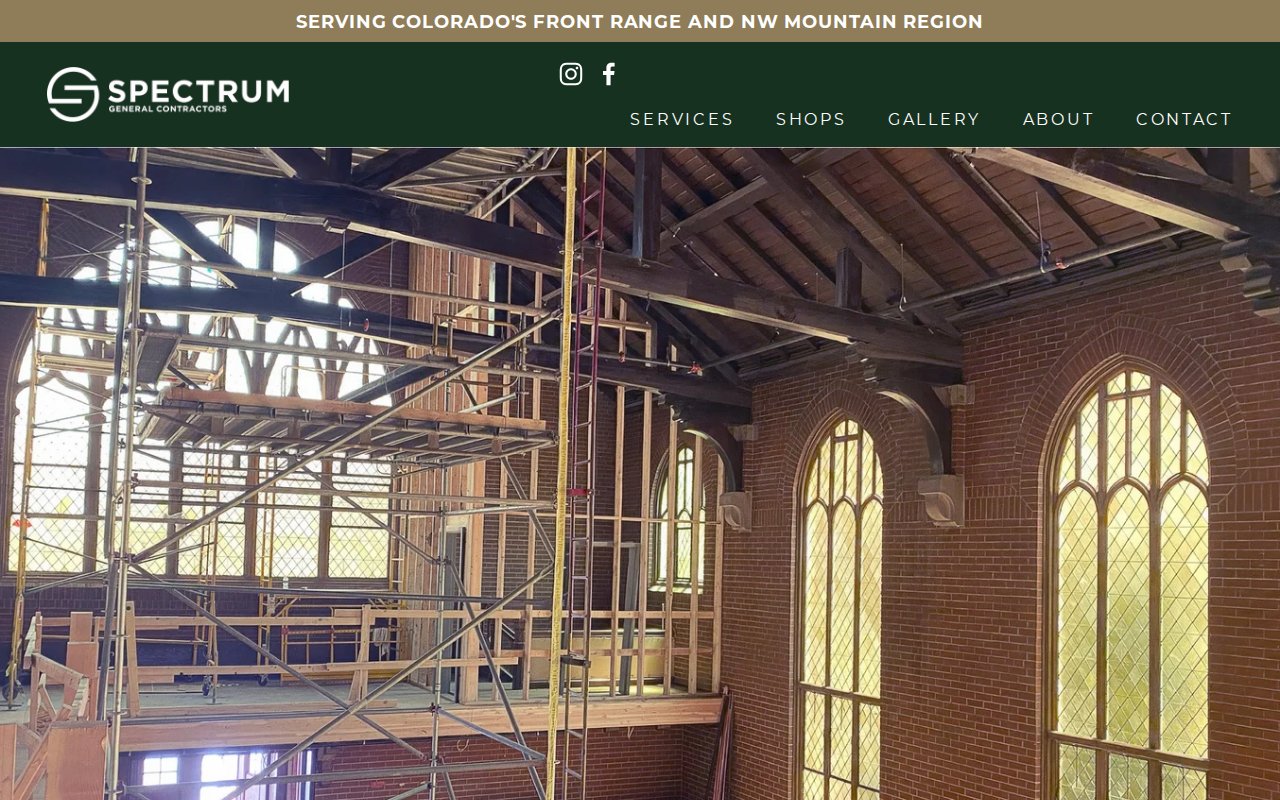
Spectrum General Contractors runs three in-house specialty shops adjacent to their Denver offices: an ornamental and structural steel shop, a custom cabinetry and millwork shop, and a historic window restoration shop. That’s a 12,000 sq ft millwork facility and a 3,000 sq ft steel yard. Their Squarespace site organizes 45+ years of work across five categories. No embedded testimonials, though, which is a miss for a company with this track record.
Olson & Jones Construction
40+ years of Portland neighborhood-named projects
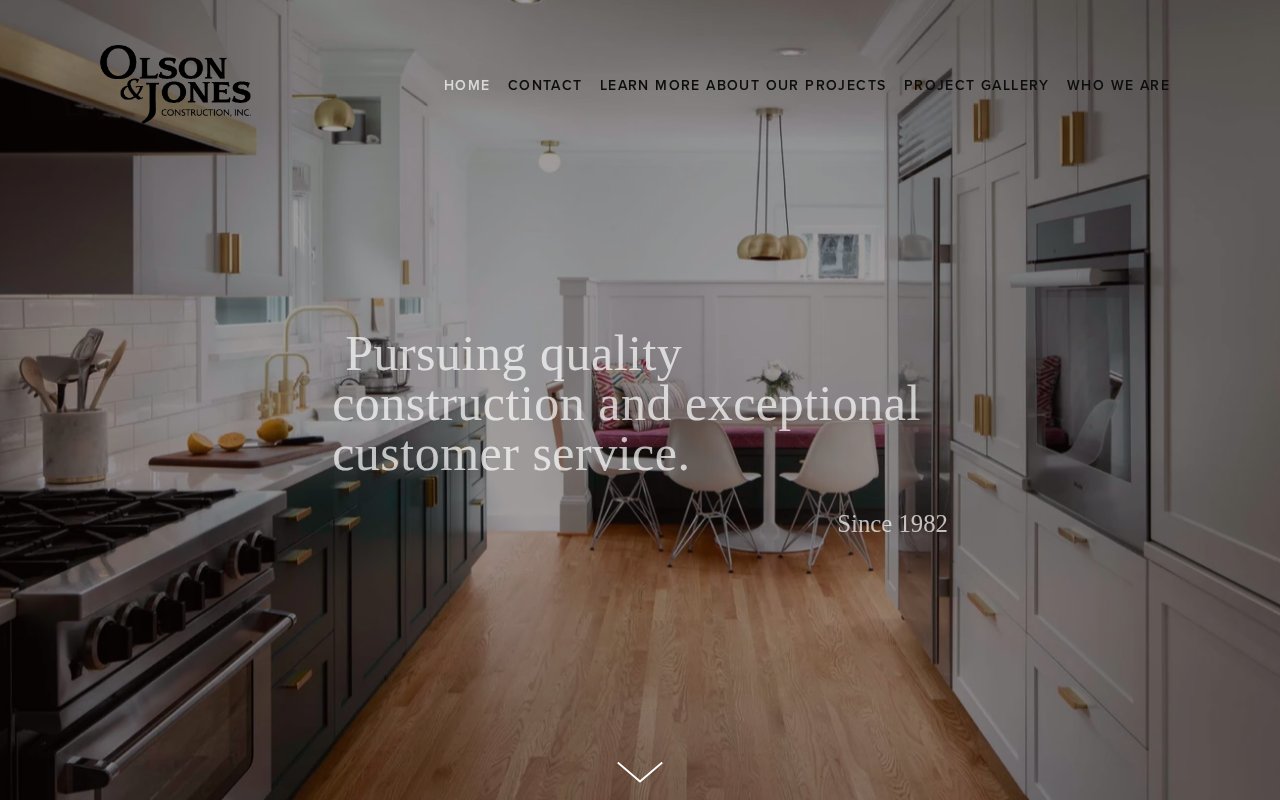
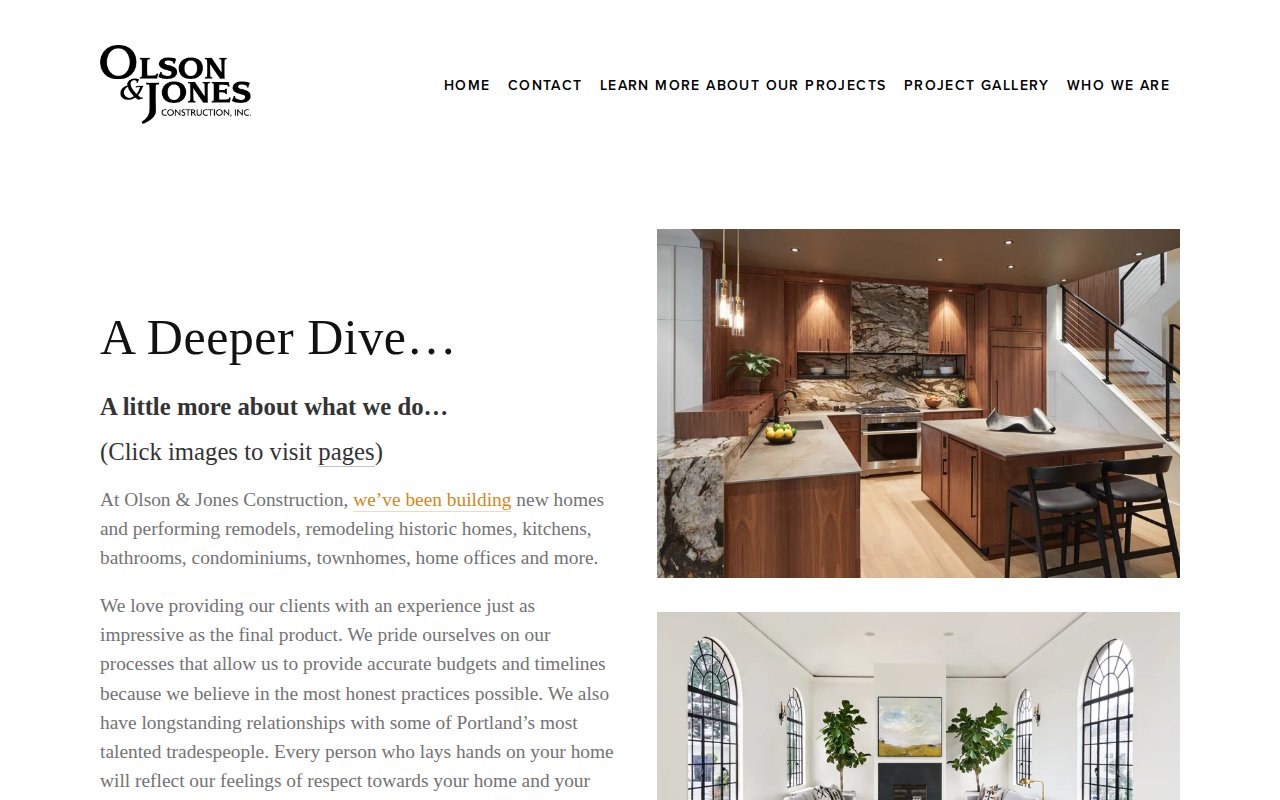
Olson & Jones Construction has been building in Portland since 1982, and their website makes the most of that local credibility. The project gallery lists 30+ named projects by neighborhood: Laurelhurst Bungalow, Irvington Craftsman Revival, NW Portland Condo, Darling Alameda Abode. Portland homeowners recognize those neighborhoods instantly. The collaborative positioning is distinctive too: “Great projects would not exist without great clients to inspire them.” Built on Squarespace, it’s proof you don’t need a custom site to compete.
G. Creek Construction
Third-generation Austin builder with Fortune 500 client quotes
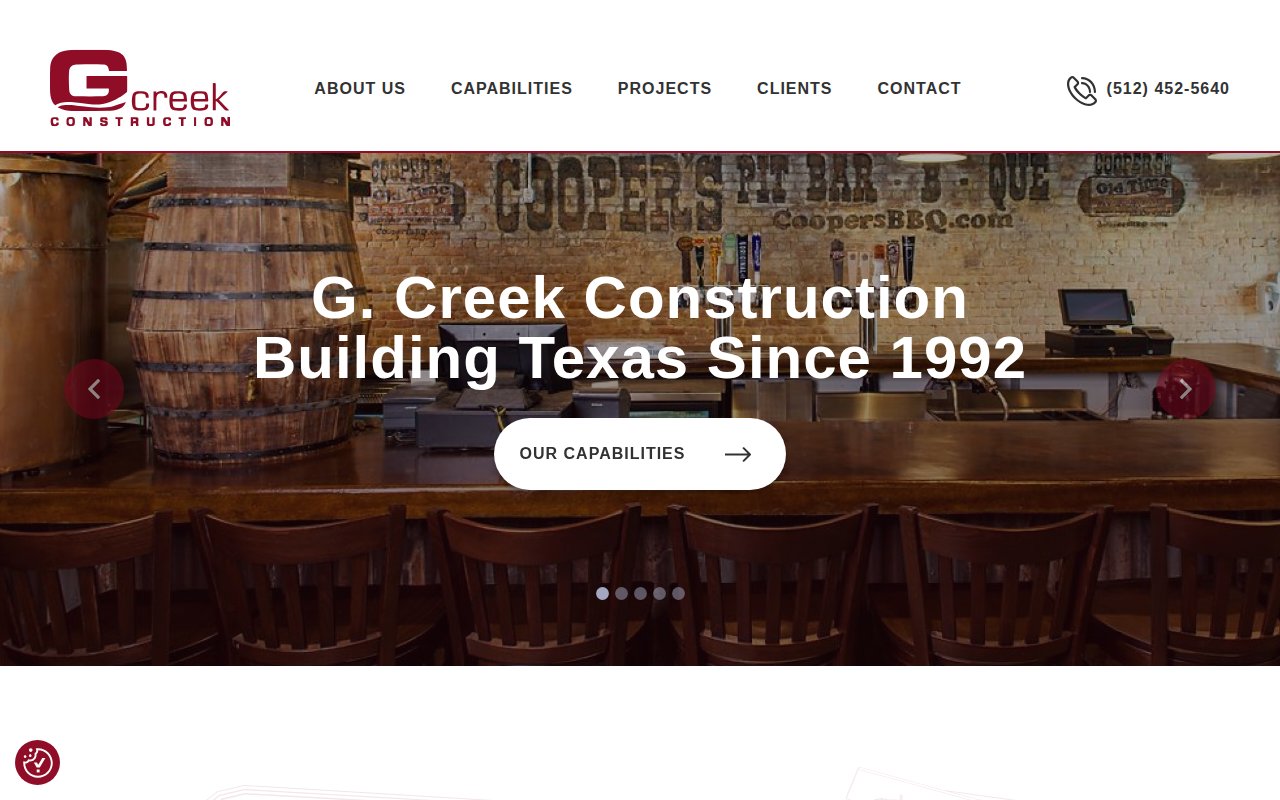
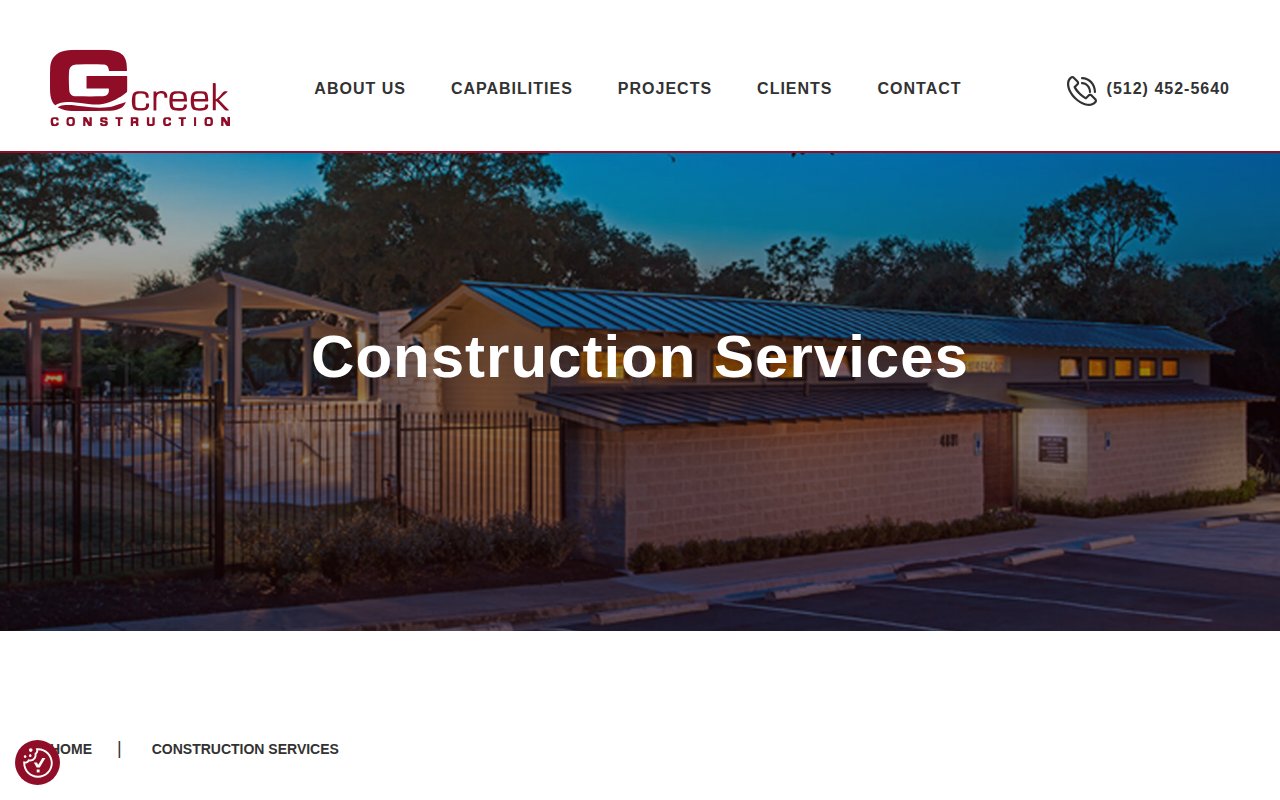
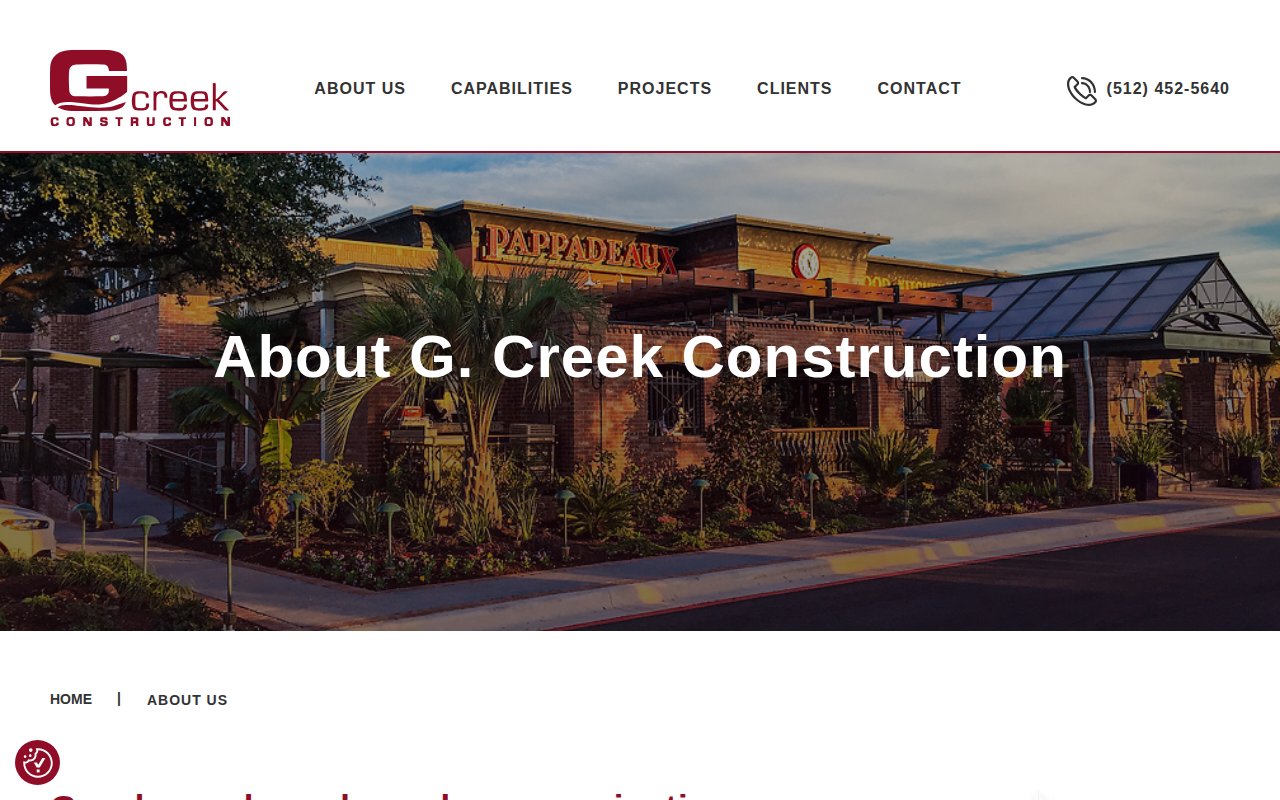
G. Creek Construction anchors its homepage with three stat counters (1992, 700+ Projects, 3rd Generation) and testimonials from recognizable clients like Pappadeaux Seafood, each with full names, titles, and specific praise about communication and budget performance. The company self-performs demolition, concrete, framing, and drywall with 20+ field employees, and they’ve completed every project without a lawsuit.
Crain Construction
Hilton Worldwide testimonial on a 90-year-old Nashville GC
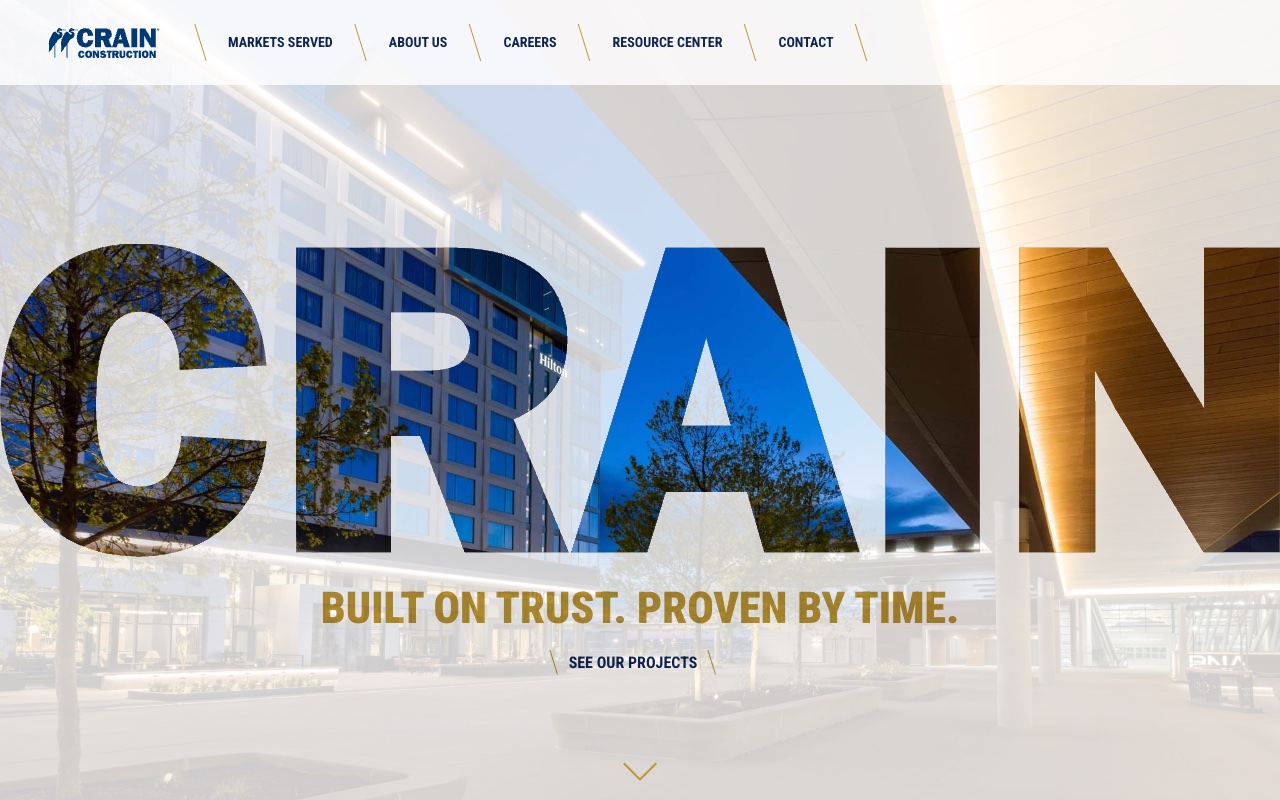
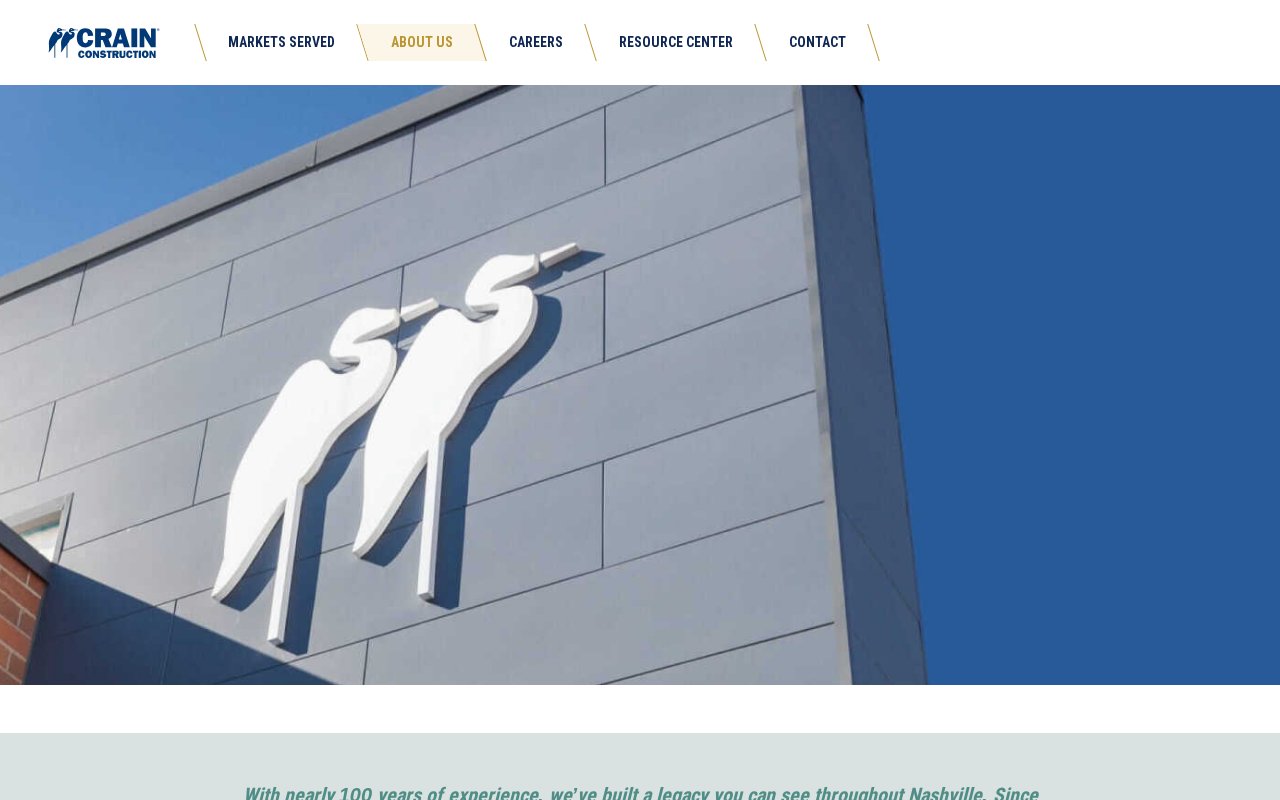
Crain Construction has been building in Nashville since 1933. Animated stat counters (years in business, repeat-client percentage, projects completed) lead to a client quote from Hilton Worldwide praising their “professionalism, communication, and attention to detail from groundbreaking to grand opening & beyond.” A Resource Center with case studies and a CEO interview adds content depth beyond the typical GC site.
Model Remodel
Seattle design-build with a Small Jobs Division
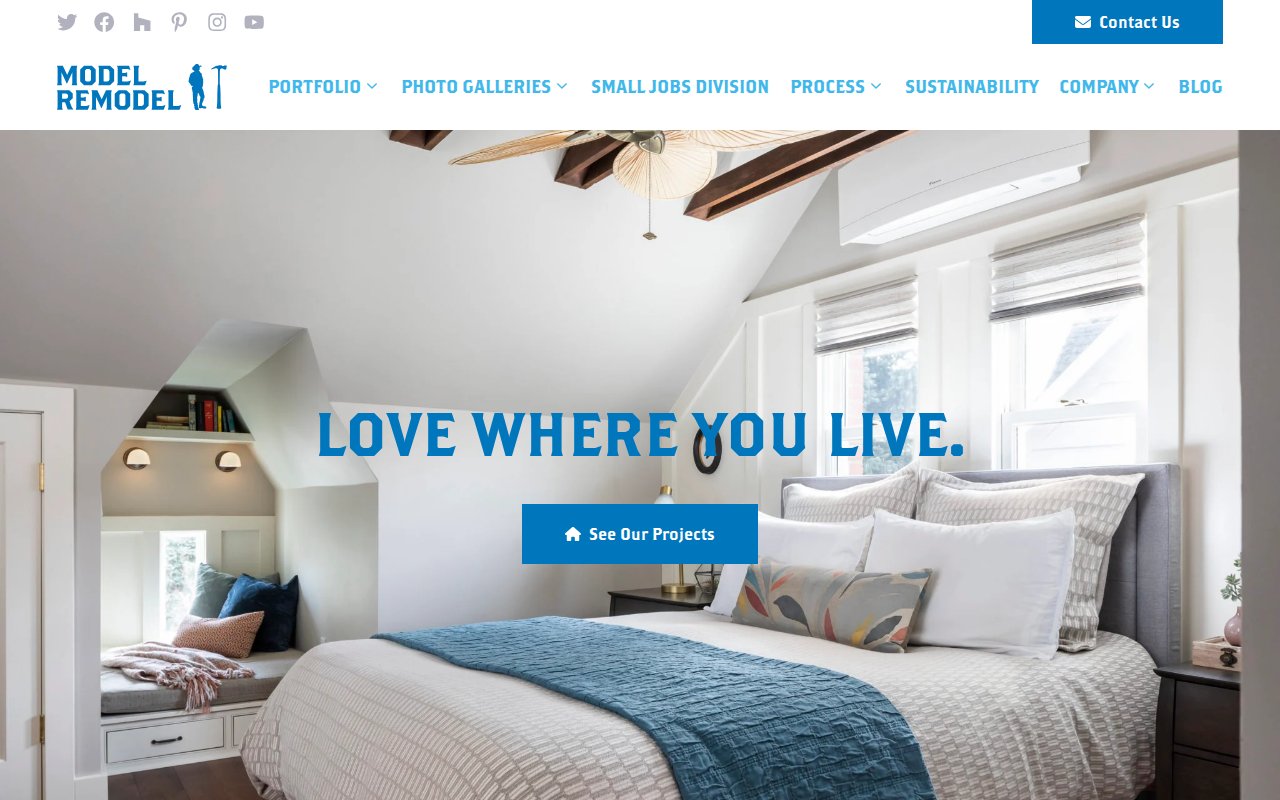
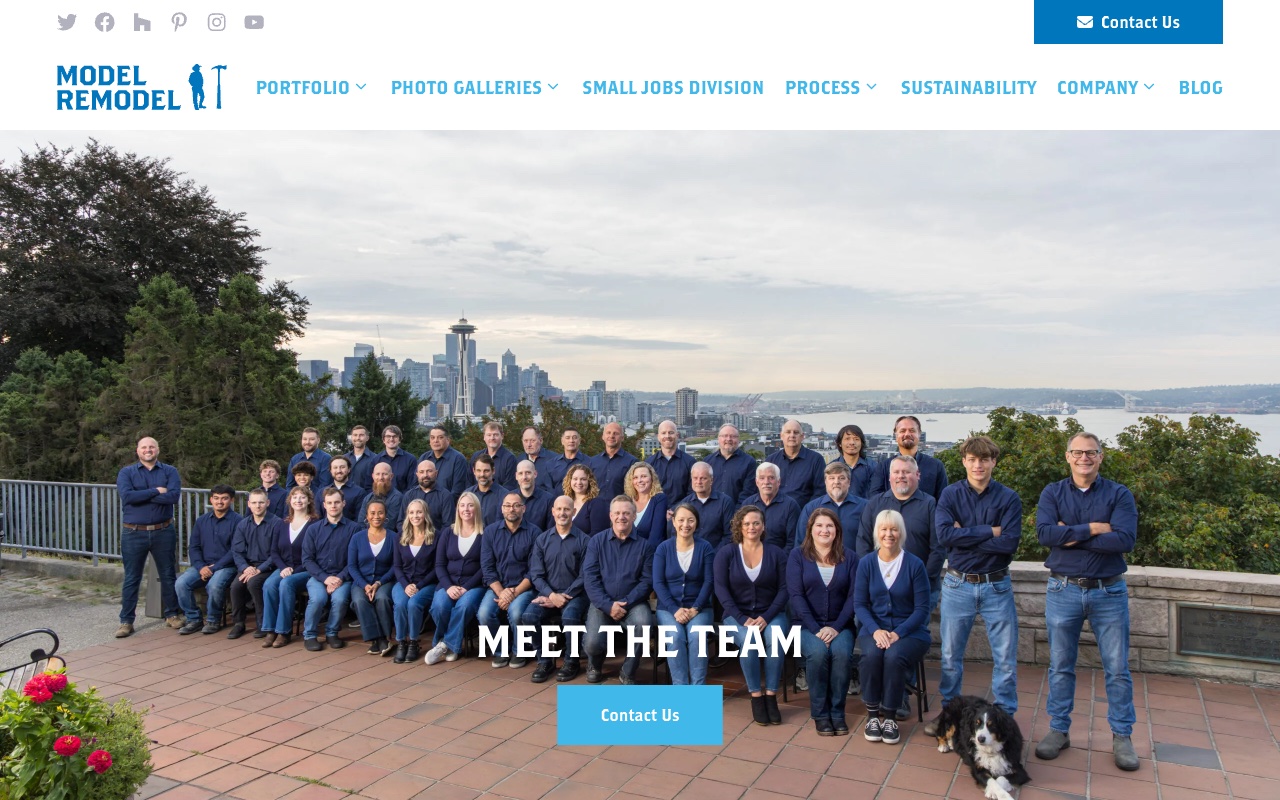
Model Remodel launched a Small Jobs Division for homeowners who need quick bathroom or kitchen updates without full design services, capturing clients who aren’t ready for a full remodel but want to start a relationship. Their portfolio names projects after Seattle neighborhoods (Burien Kitchen & Deck, Rosy Gilded Bathroom Magnolia), building local recognition the same way Olson & Jones does in Portland. Multiple Best of Houzz awards and a Guild Quality Master Award back that up.
Saunders Construction
Founder legacy page and Rocky Mountain employee ownership

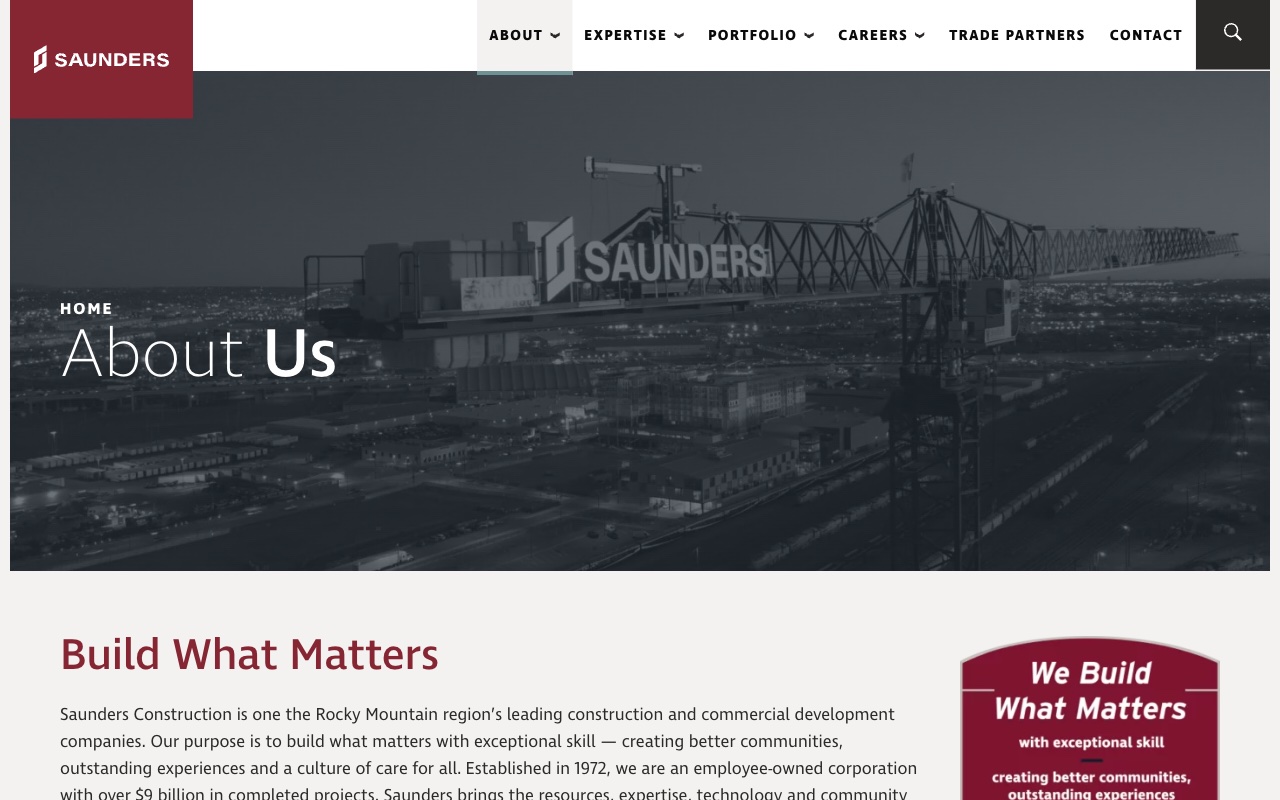
Saunders Construction is one of the Rocky Mountain region’s largest commercial GCs, and the homepage dedicates a prominent section to “Honoring the Legacy of Founder Richard ‘Dick’ Saunders,” with a link to his full legacy page. Employee ownership comes up throughout the site, and with $9B+ in completed projects, the model has held up. Their safety section treats mental health as equal in importance to physical safety. The gap: limited client testimonials and no phone number visible above the fold.
Andersen Construction
Four Pacific Northwest offices for complex, multi-phased projects
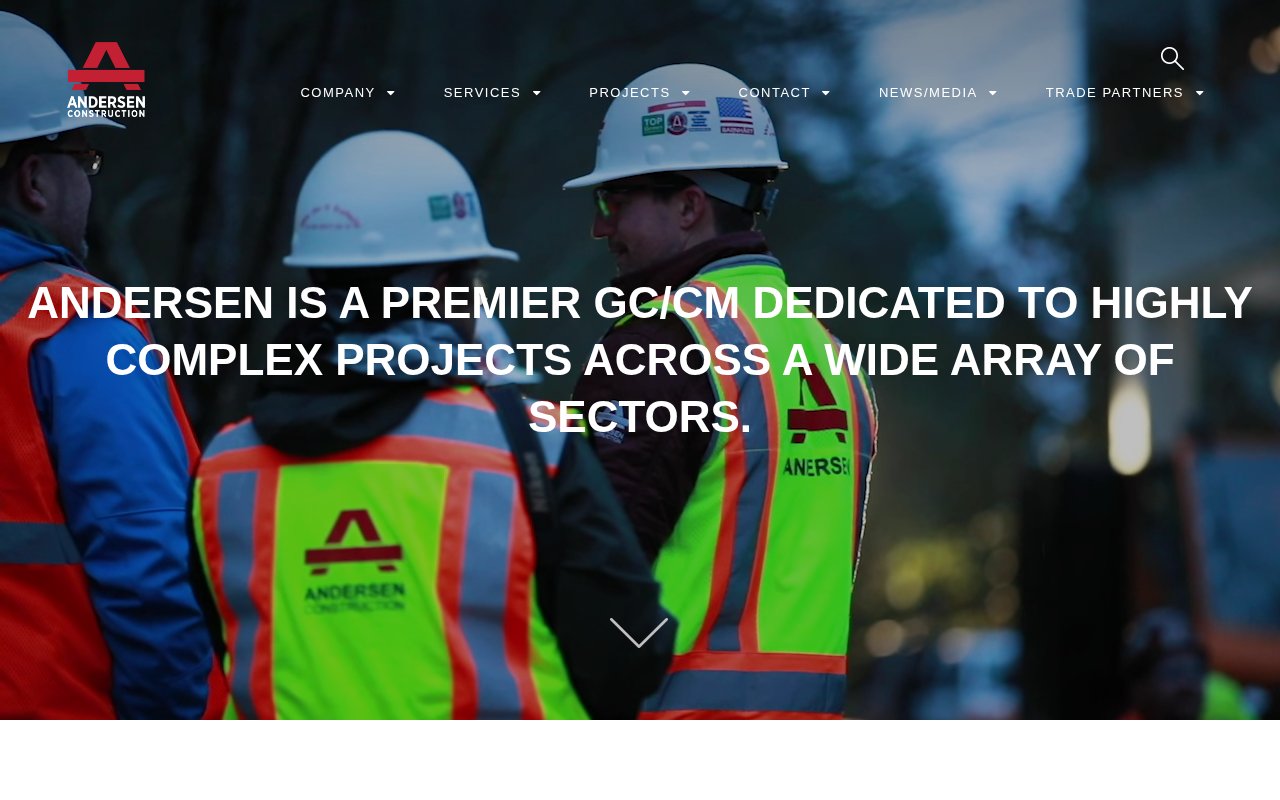
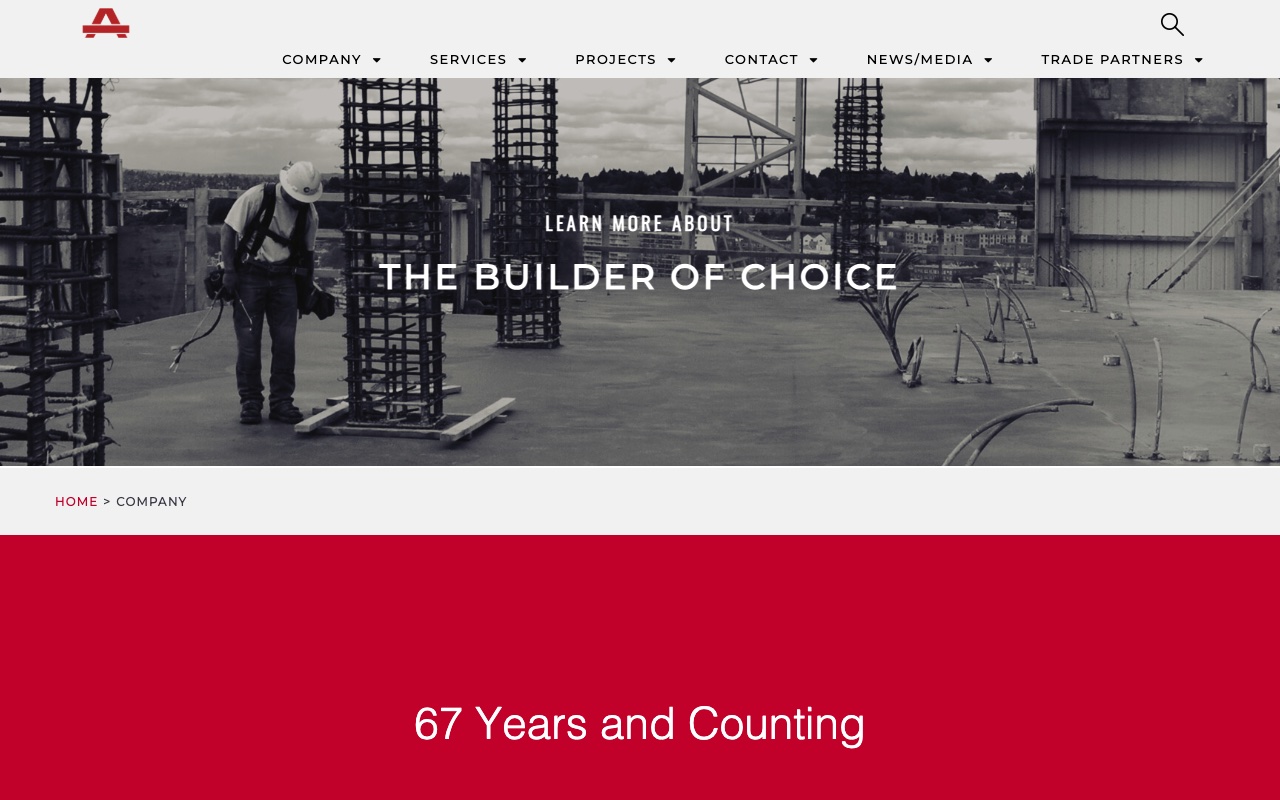
Andersen Construction leads with “A PREMIER GC/CM DEDICATED TO HIGHLY COMPLEX PROJECTS.” Four offices across Portland, Seattle, Boise, and Eugene each get navigation presence, and the portfolio spans complex institutional and technical work. Featured projects like Oregon Coast Aquarium show what “highly complex” looks like in practice. Nine core values and employee ownership are featured prominently rather than buried in a subpage. The tradeoff is accessibility: no phone number or email above the fold, which is a common weakness among large commercial GC sites.
BEC Austin
50-year LEED-certified Austin commercial builder
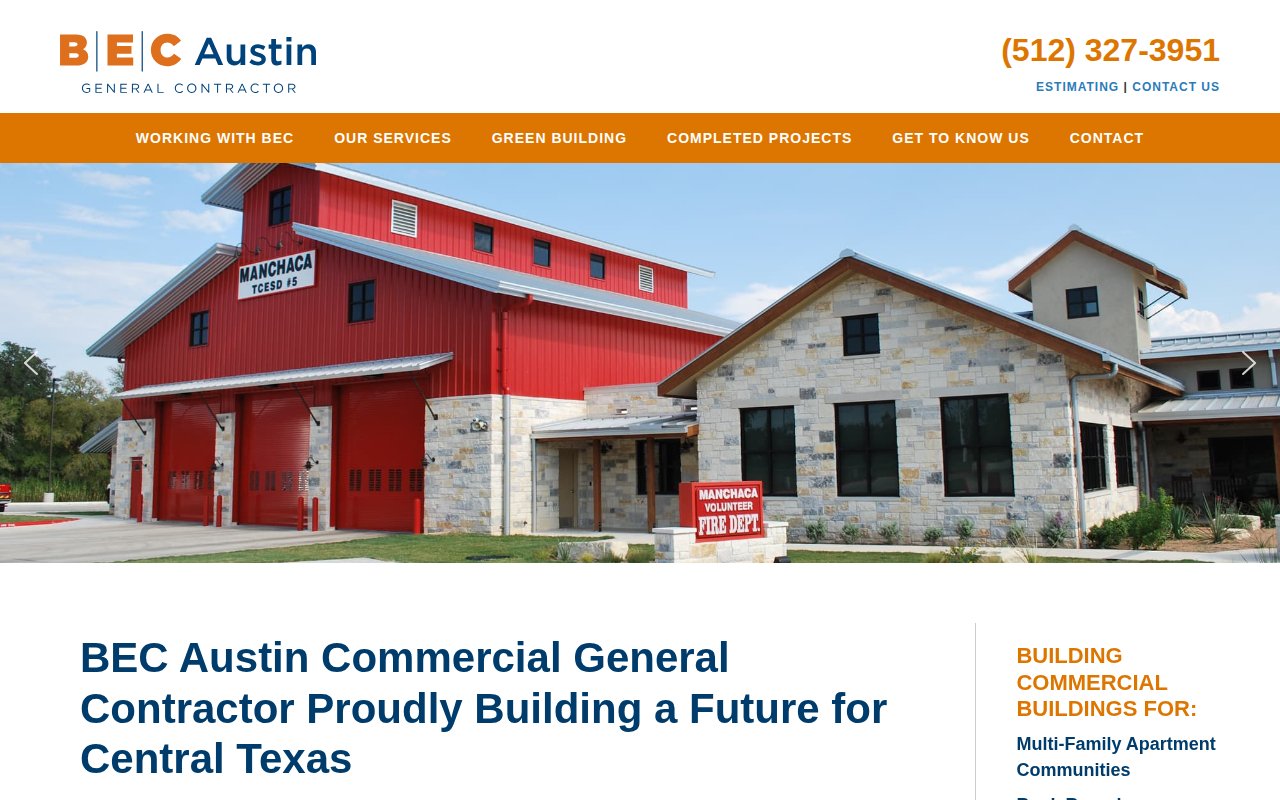
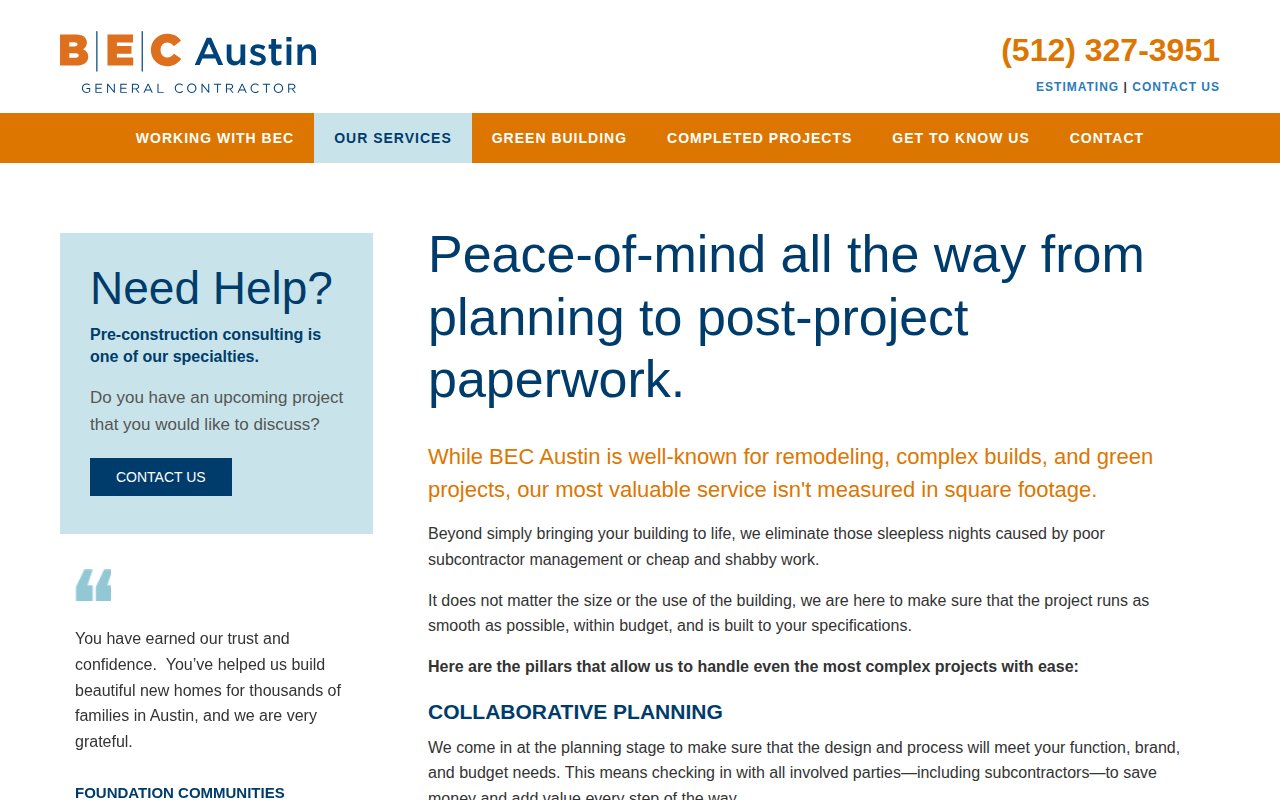
BEC Austin opens with: “A building isn’t simply a collection of walls and a roof; it’s a place where your customers work, learn, live, heal, play, or pray.” Their project gallery sorts into nine categories so commercial clients can self-qualify immediately. The LEED certification expertise and Green Building section cover sustainability, a segment most Austin commercial GCs don’t address on their sites. With 50+ years of repeat business and referral-based growth, the emphasis on relationships over marketing spend is backed up by longevity.
What the best general contractor websites have in common
Real project photos, not stock imagery
Nearly every high-scoring site shows completed project photographs with specific details (location, scope, timeline). Stock imagery signals that a contractor doesn't have work worth showing.
Named team members with defined roles
The strongest sites name individual team members from owner to field carpenter. Anonymity creates anxiety for clients who want to know who's managing their project and showing up at the job site.
Testimonials with full names and titles
Vague praise from "satisfied client" doesn't move anyone. The sites that convert feature full names, company titles, and specific project details. Houzz and Google review widgets add third-party validation.
Phone number visible without scrolling
Most high-performing residential GC sites put a clickable phone number in the header on every page. Commercial GC sites are less consistent here, and it shows in their conversion scores.
Portfolio organized by project type or geography
Summit's 14-category system and Olson & Jones' neighborhood-named gallery both solve the same problem: letting visitors quickly find work that looks like their project. A flat "Our Work" page with unsorted photos wastes the visitor's time.
How to build your general contractor website
-
Lead with project photos, not stock imagery. Hire a photographer for a day. Shoot completed work, in-progress framing, detail shots of trim and cabinetry. Gaspar’s, Olson & Jones, and Spectrum all demonstrate that real photography is the single biggest visual differentiator between a site that builds trust and one that doesn’t.
-
Show your team with names and roles. List every team member on your about page. Gaspar’s names 30+ people from owner to field carpenters. Potter Construction has owner Gary Potter (CGR) maintaining hands-on project oversight. Clients want to know who’s managing their project.
-
Put your phone number in the site header. Make it clickable on mobile. G. Creek and BEC Austin all keep phone numbers visible on every page. The commercial GC sites that hide contact info behind forms consistently scored lower on conversion.
-
Organize your portfolio by project type. Summit’s 14-category system and BEC Austin’s nine-category gallery both let prospects self-qualify before contacting you. A flat gallery of unsorted project photos forces the visitor to do the work.
-
Get one strong testimonial from a recognizable client. Crain has Hilton Worldwide. G. Creek has Pappadeaux and Freeport-McMoran. A named quote from a known company outweighs dozens of anonymous reviews.
Before any of this, you need a name that fits on a truck and a permit application. If you’re still deciding, start with our general contractor business name ideas.
Key Takeaways
- Project photos are the single biggest differentiator between GC sites that convert and those that don't. Invest in professional photography of completed work.
- Named team members build trust faster than any copy. List everyone from owner to field crew with real names and roles.
- Problem-solution copy (naming the client's pain before your solution) converts better than listing capabilities.
- Third-party review platforms (Houzz, Google) carry more weight than self-curated testimonials. Potter Construction's 17 Houzz awards are the best example here.
- Family legacy and employee ownership are trust signals worth featuring prominently. G. Creek (third generation) and Hammer & Hand (employee-owned) both lead with heritage.
- In-house capabilities (millwork, steel, concrete) reduce client risk. If you self-perform any trade, say so on the homepage.
How we picked these sites
We started with a broad scan of hundreds of general contractor websites, filtering for companies with strong third-party signals: high Google Business Profile ratings, verified reviews on platforms like Houzz and Clutch, meaningful organic search traffic, and recent site updates. We also reviewed industry publications like ENR (Engineering News-Record), Constructor Magazine, and Construction Business Owner Magazine to find companies worth evaluating that don’t necessarily rank on page one.
From that pool, we selected dozens of the top sites and scored each on five criteria: UX quality, conversion optimization, social proof integration, team authenticity, and SEO coverage. Every site got a multi-page review covering the homepage, services page, about page, and any standout pages.
The sites featured here earned the highest overall scores. Each one made the cut because it does something specific well, not because it’s the “best” at everything. The goal is a collection where every site teaches a different lesson.
Frequently Asked Questions
What makes a general contractor website effective at winning bids?
The contractor sites that win bids do three things: they show completed project photos (not stock imagery), they display named client testimonials with specific project details, and they make the phone number or RFQ form impossible to miss. The highest-scoring sites in our review also featured named team members, years of operation, and portfolio galleries organized by project type so prospects can self-qualify.
How much does a general contractor website cost to build?
Based on the sites in our review, multiple strong contractor sites run on Squarespace (Olson & Jones, Spectrum General Contractors) for under $5,000. WordPress builds with custom design run $5,000-$15,000. The enterprise-level custom sites (POWER Construction, Andersen Construction) likely cost $30,000+, but their results come from content strategy and portfolio depth, not the platform. A Squarespace site with real project photos and named testimonials will outperform a $20,000 custom build with stock imagery.
Should a general contractor website show project costs or pricing?
Most general contractors avoid publishing specific project costs because every job is custom-quoted. But the strongest sites in our review address pricing anxiety indirectly: Better Builders offers a free 'Exploration Call,' several sites feature testimonials that mention budget performance, and others use problem-solution homepage copy that acknowledges cost concerns upfront. At minimum, explain your pricing process and what factors drive cost.
 9 Pressure Washing Website Examples Worth Studying (2026)